



SEO Article Analysis: 10 Steps to Master Success
Why SEO Article Analysis is Your Content Marketing Game-Changer
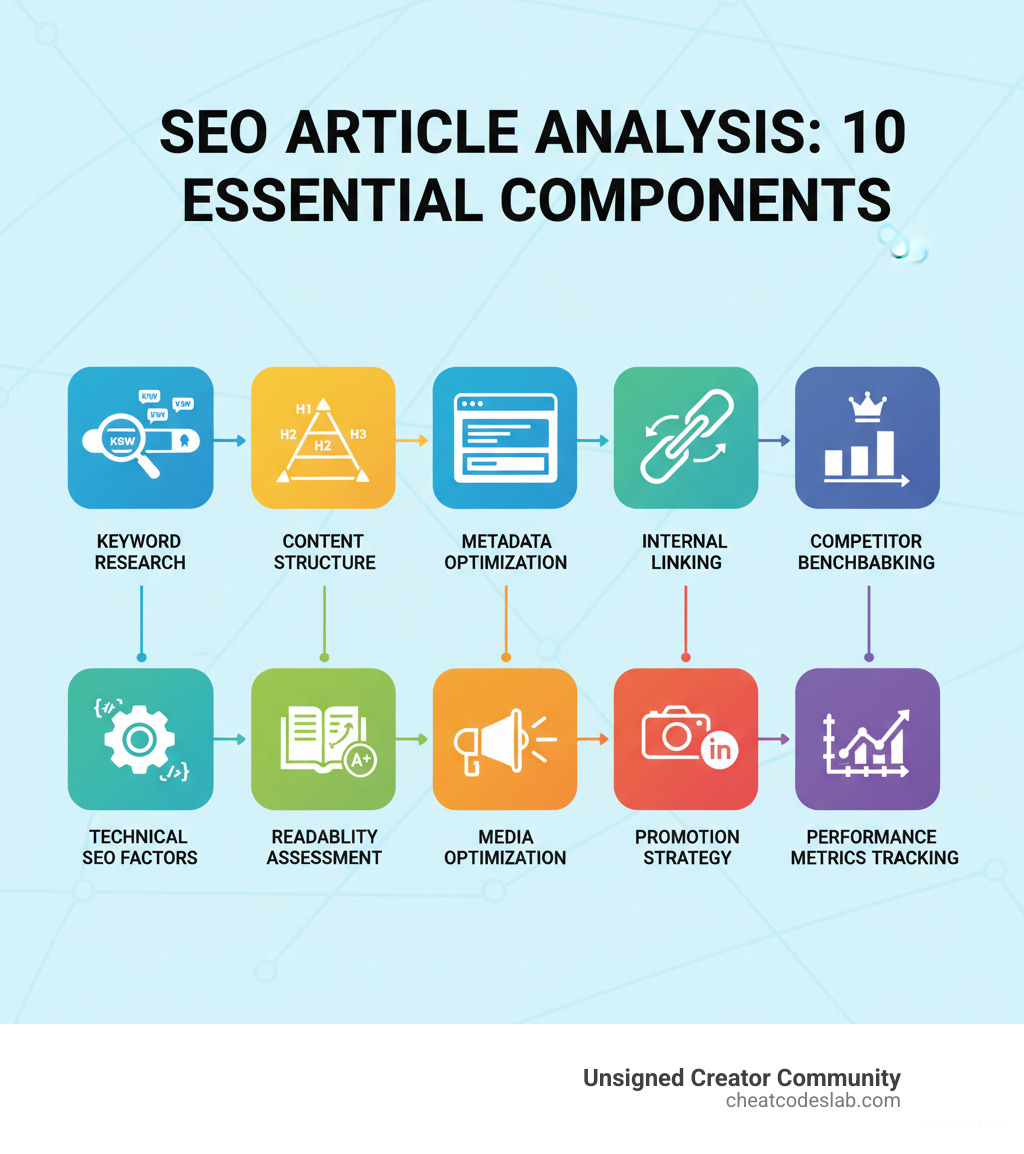
SEO article analysis is the process of evaluating your content against search engine requirements and user expectations. It involves a deep dive into keyword performance, content structure, technical optimization, and competitive benchmarking to understand why some articles rank #1 while others disappear.
With 60% of Google searches in 2024 resulting in no clicks beyond the results page, your content must work harder than ever. Modern analysis goes beyond keyword checks, examining semantic relevance, user experience, and technical factors. The process covers four key areas: on-page (content, metadata), off-page (backlinks), technical (site speed), and competitor analysis.
I’m digitaljeff, and with over 20 years in digital strategy, I’ve learned that data-driven SEO article analysis is essential for cutting through the noise and creating content that succeeds.
Similar topics to seo article analysis:
The Complete How-To Guide for Analyzing SEO Articles
This guide provides a systematic approach to transform guesswork into data-driven success, covering every step from research to post-publication evaluation.
Step 1: Foundational Research (Keywords, Intent, and Market Landscape)
Effective SEO article analysis begins before you write. Foundational research involves understanding what users search for and the competitive landscape.
Keyword Research and Search Intent
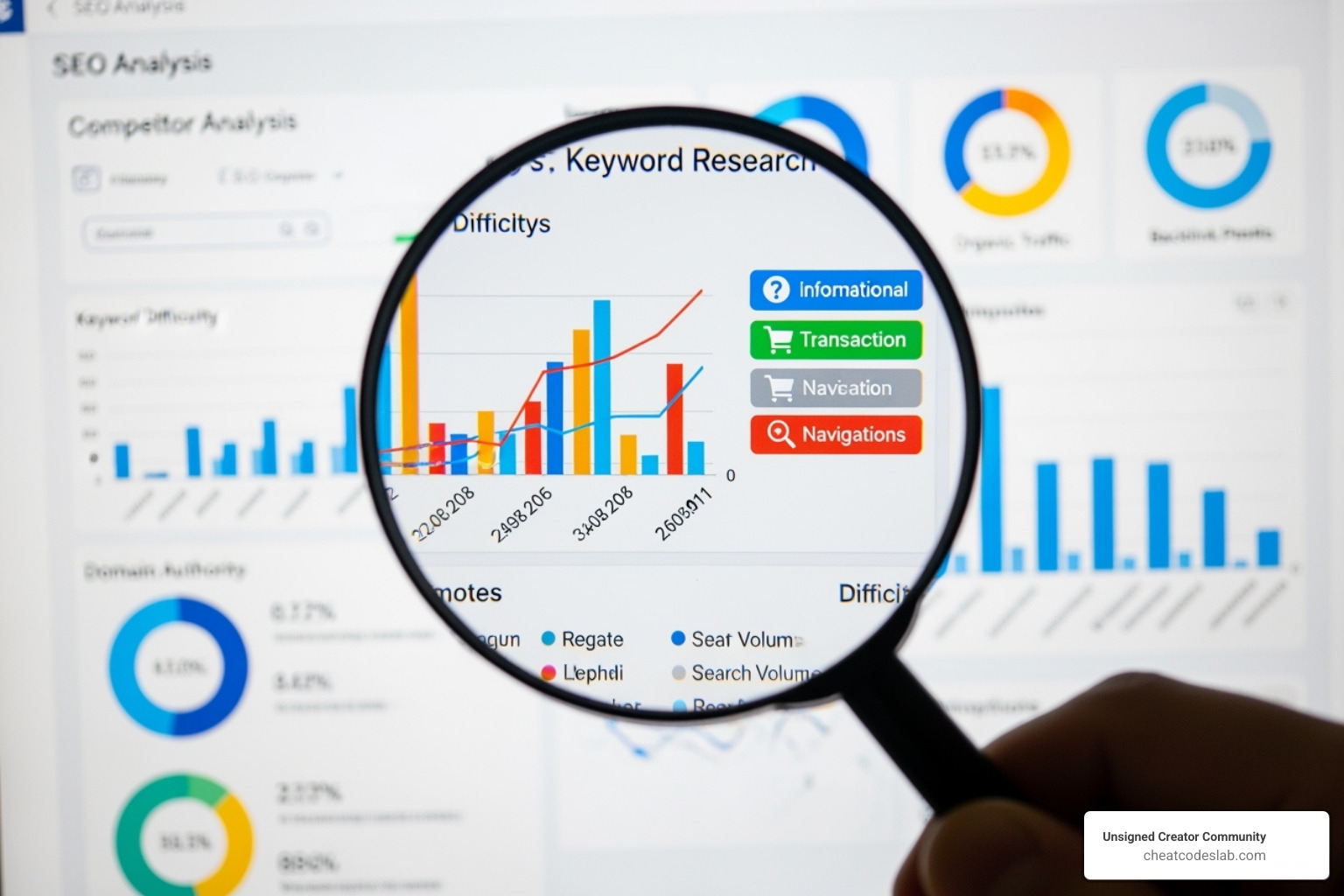
Build an ecosystem of keywords beyond just your primary term. Focus on long-tail keyword variations (e.g., “best smartphones for night photography under $500”), which often have less competition and higher conversion potential. Balance search volume (how many people are searching) with keyword difficulty (how hard it is to rank).
Crucially, understand the search intent behind each keyword. Is it informational (a “how-to” guide), navigational (finding a specific site), or transactional (ready to buy)? Aligning your content with user intent is critical for engagement and rankings.
Competitive and Content Gap Analysis
Analyze top-ranking competitors to find their weaknesses and your opportunities. Content gap analysis identifies keywords your competitors rank for but you don’t, or topics they cover poorly. Examine their content structure, depth, and backlink profiles to create something more comprehensive and valuable.
To streamline this, use a systematic process:
- Expand your keyword list with research tools to find related terms and questions.
- Categorize keywords by search intent.
- Identify top competitors for your target keywords.
- Analyze competitor content for structure, depth, and intent alignment.
- Pinpoint content gaps where you can provide more value.
Leverage CheatCodesLab’s Best SEO Tools to automate competitor analysis, identify keyword gaps, and generate data-driven content outlines.
Step 2: On-Page Content and Structure Evaluation
This step focuses on the article itself, ensuring it’s valuable to both readers and search engines.
Readability and Structure
Readability is vital for user experience and SEO. Use short sentences and paragraphs, simple vocabulary, and strategic formatting like bold text and bullet points. A logical flow keeps readers engaged.
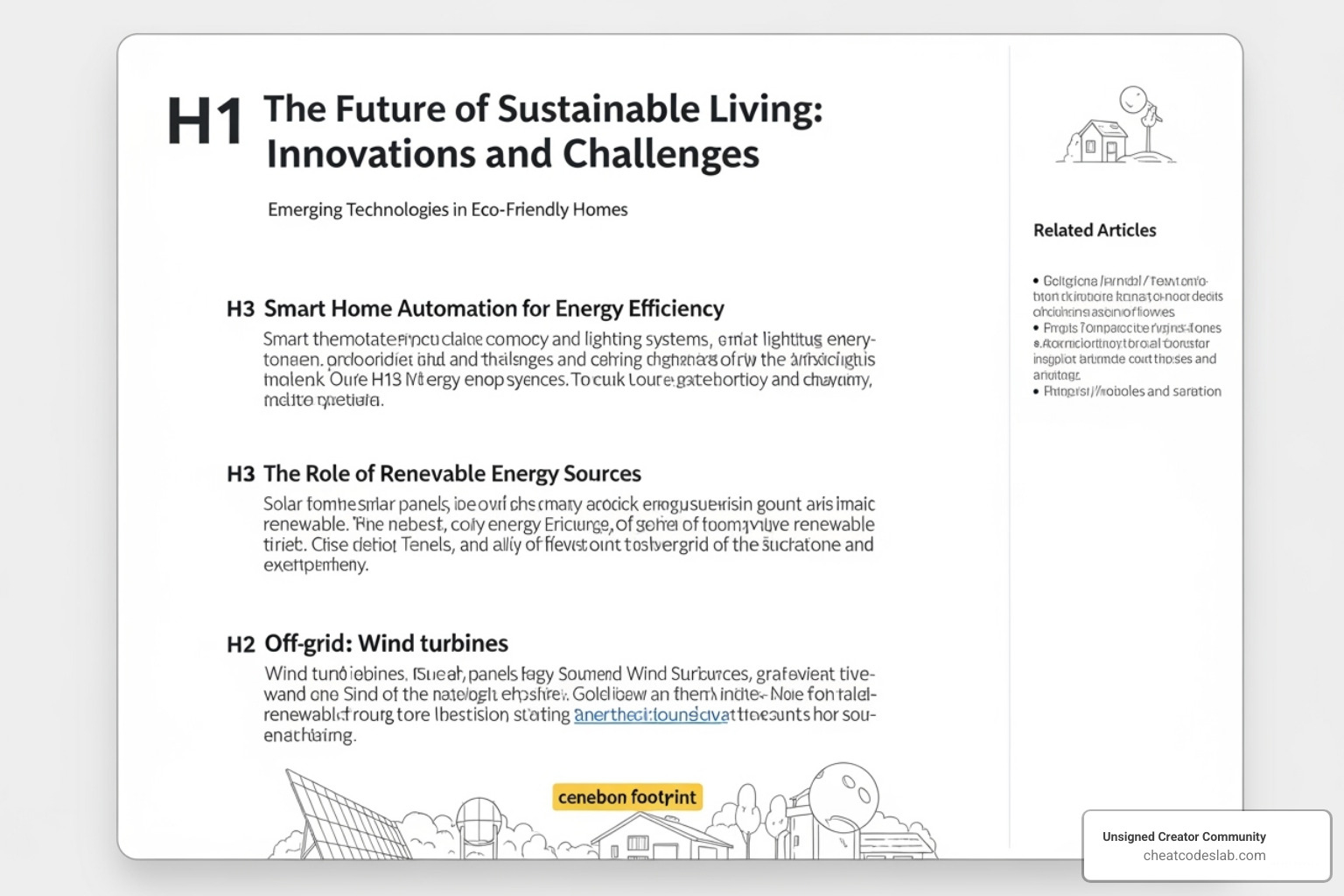
Structure your content with a clear heading hierarchy. Use a single H1 tag for your main title (containing your primary keyword) and H2/H3 tags to break the article into scannable sections. This improves user experience and helps search crawlers understand your content.
Metadata and Content Depth
Your title tag (under 60 characters) and meta description (around 155 characters) are your ad in search results. Craft them to be compelling, include your primary keyword, and encourage clicks.
For content length, focus on comprehensiveness, not word count. Cover the topic thoroughly to answer all potential user questions. Go beyond basic keywords by incorporating related concepts from semantic and lexical fields (e.g., for “SEO article analysis,” use terms like “search intent” and “ranking factors”). This signals expertise and helps your content rank for a wider range of queries.
Step 3: Analyzing Media, Links, and Promotion
Supporting elements like media, links, and promotion are crucial for an article’s success.
Media and Link Optimization
Optimize all media for SEO. For images, use high-quality, relevant files with descriptive alt text and compressed file sizes for faster loading. For videos, use clear titles and descriptions.
Create a strategic link network. Internal linking guides users and search engines through your site, distributing authority and improving site structure. External linking to reputable, authoritative websites adds credibility and demonstrates thorough research, which search engines view as a positive trust signal.
Content Promotion
Great content needs promotion to be seen. Drive initial traffic and engagement through:
- Social media sharing to increase visibility.
- Email newsletters to reach an engaged audience.
- Community engagement in relevant forums and groups.
High-quality content also encourages natural word-of-mouth promotion, creating organic growth. Analyze which channels drive the most referral traffic to refine your strategy. For more insights into creating content that naturally attracts shares and links, explore our SEO Content Tips.
Measuring Success and Leveraging AI for Optimization
Once your content is live, the analysis continues. This phase is about tracking performance, learning from data, and using AI to work smarter.
Key Metrics and Common Pitfalls in SEO Article Analysis
Key Metrics for Success
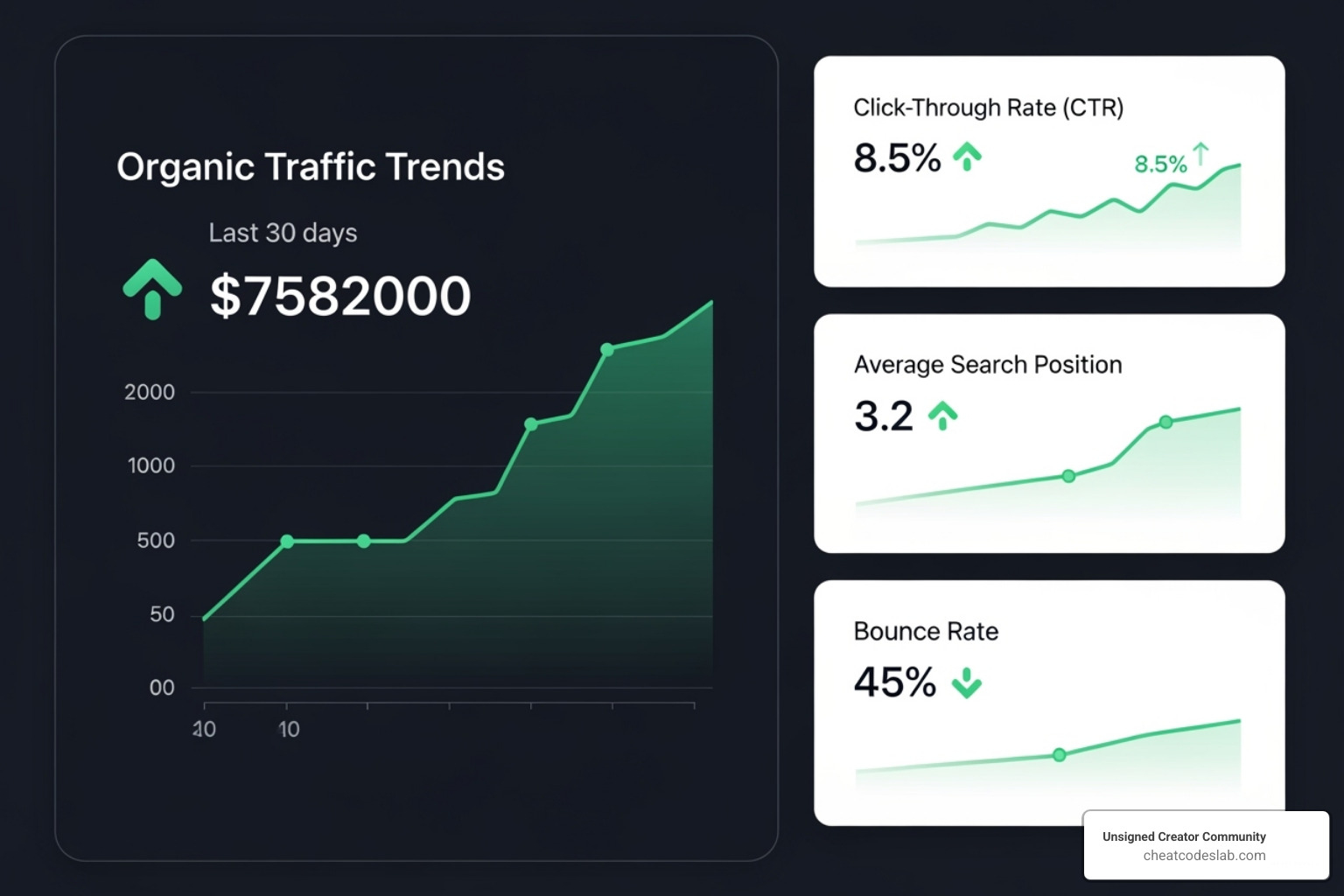
Rankings alone don’t tell the whole story. To evaluate an article’s success, track these key metrics:
- Organic Traffic: The number of visitors finding your article via search engines.
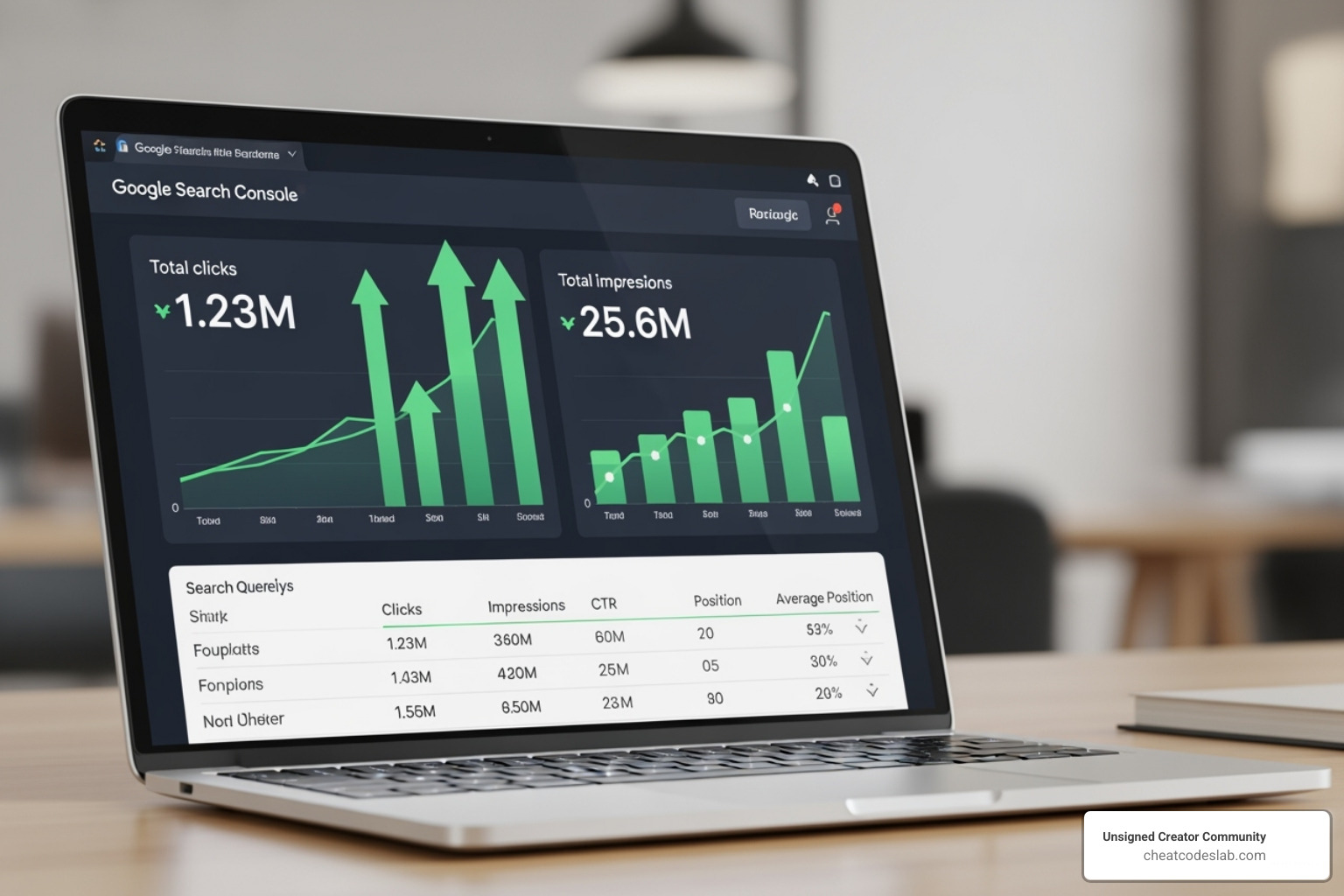
- Click-Through Rate (CTR): The percentage of users who click your article in search results. Improving this from 2.1% to 3.3% for a client brought hundreds of new monthly visitors.
- Average Position: Your typical ranking for target keywords. Moving from #9.4 to #5.2, as another client did, dramatically boosts visibility.
- Bounce Rate & Time on Page: These metrics indicate user engagement. Low bounce rates and high time on page signal that your content is valuable and meets user expectations.
- Conversions: The ultimate measure of success, tracking whether users take desired actions like signing up or making a purchase.
Common Mistakes to Avoid
Avoid these common pitfalls that can hinder your article’s performance:
- Ignoring Search Intent: Failing to match your content to what the user is actually looking for.
- Keyword Stuffing & Over-optimization: Forcing keywords unnaturally makes content robotic and hurts rankings. Aim for a natural keyword density of 1-2%.
- Focusing Only on High-Volume Keywords: Target achievable long-tail keywords instead of just highly competitive ones.
- Neglecting Local SEO: If you serve a specific area, include location-based keywords.
- Setting and Forgetting: SEO requires ongoing maintenance. Regularly update and re-optimize content.
Our AI Tools for Analytics provide real-time insights to help you avoid these mistakes.
The Role of AI and Long-Term Strategy in SEO Article Analysis
AI tools and a long-term mindset are your secret weapons for staying ahead in SEO.
How AI Assists in Analysis and Optimization
AI transforms SEO article analysis from a guessing game into a precise, data-driven process. It helps with:
- Comprehensive Data Analysis: AI unifies data from multiple sources into a single dashboard, eliminating guesswork.
- Keyword Tracking: It monitors keyword performance, spots trends, and identifies new opportunities based on context and intent.
- Content Recommendations: AI analyzes top-ranking content to suggest topics, headlines, and structures that are likely to perform well. Our AI for SEO Content solutions excel at this.
- Technical SEO: AI accelerates tasks like optimizing meta tags and generating schema markup.
Case Study: For our client SouvenirLilin.id, we used AI to analyze their data and identify long-tail keyword opportunities. By generating over 50 targeted articles and optimizing technical SEO, we more than doubled their daily clicks (257 to 500+), improved CTR from 2.1% to 3.3%, and boosted their average keyword position from #9.4 to #5.2.
Long-Term Strategies for Lasting Performance
SEO success is a marathon, not a sprint. To combat content decay and maintain performance, adopt these strategies:
- Regular Audits: Review content quarterly for outdated information and new optimization opportunities.
- Monitor Algorithm Changes: Stay informed through resources like Google Search Central to adapt your strategy proactively.
- A/B Testing: Continuously test headlines and meta descriptions to improve CTR.
- Re-optimize for New Keywords: Update articles to target evolving search patterns.
- Improve User Experience: Focus on page speed and mobile-friendliness.
- Build Authority: Consistently publish high-quality content to strengthen your domain’s reputation.
Conclusion: Mastering Analysis for Lasting SEO Success
Mastering SEO article analysis is essential for digital content success. From foundational research to ongoing optimization, the power lies in continuous, data-driven improvement.
By tracking key metrics, avoiding common mistakes, and leveraging AI, you can build sustainable, long-term growth instead of just chasing temporary rankings. The future of content belongs to creators who accept both the art and science of SEO.
At CheatCodesLab, our certified AI tools simplify complex SEO tasks, empowering you to create incredible content that thrives. Ready to take your skills to the next level? Dive deeper with our guide on Advanced SEO Techniques.


About the author


How to Archive Posts on Instagram in 4 Easy Steps
Master archiving on Instagram in 4 easy steps to organize your profile and protect your content.

Beginner’s Guide to 10k free instagram followers app
Discover how a 10k free instagram followers app works, its risks, and safe organic growth strategies for real engagement in 2026.

Beginner’s Guide to Best Instagram Report App
Discover the best Instagram report app for real-time analytics, automated reports, and data-driven decisions in 2026.
How to Master Advanced SEO Search Techniques in 7 Steps
Master advanced search techniques in SEO with 7 proven steps to boost rankings, technical audits, and organic traffic.

Cheat Sheet to the Best Business Apps
Discover the best business apps to streamline operations, boost productivity, and scale your business in 2026.

How to Get Instagram Followers Free APK in 5 Steps
Discover how instagram followers free apk 2026 download works and learn safe organic growth strategies instead of risky third-party tools.
Related
How to Archive Posts on Instagram in 4 Easy Steps
Master archiving on Instagram in 4 easy steps to organize your profile and protect your content.

Beginner’s Guide to Best Search Engine Optimization SEO
Master best search engine optimization SEO with this beginner's guide covering on-page, technical, and AI strategies for higher rankings.

Ultimate Checklist for Social Media Marketing Agency
Discover the ultimate checklist for choosing a social media marketing agency that drives real ROI and growth.

Hot Summer Caption Ideas That Spark Engagement
Discover hot summer caption ideas that boost engagement, from short aesthetic lines to funny unhinged vibes and beach photo dumps.

How to Add Text to Instagram Story in 5 Easy Steps
Learn how to add text to Instagram Story in 5 easy steps with our native tips and creative text hacks for better engagement.

How to Add Audio to Instagram Story the Right Way
Learn how to add audio clip in Instagram Story using built-in music or your own file with this step-by-step guide.