

The Best SEO Content Tools in 2026 (Quick Answer)
SEO content tools are software platforms that help you research, write, optimize, and publish content that ranks higher in search engines – and increasingly, in AI-powered search like ChatGPT and Perplexity.
Here are the top options based on hands-on testing:
| Tool Type | Best For | Standout Feature |
|---|---|---|
| Real-time optimization platforms | Content teams | Live SEO scoring |
| NLP-focused content graders | Quality optimization | Semantic content grading |
| All-in-one content marketing suites | End-to-end workflow | Idea to publish in one place |
| Agency workflow platforms | Agencies | Collaboration and reporting |
| Research-to-draft tools | Solo creators | Faster outlining and drafting |
| Content strategy platforms | Editorial planning | Topic cluster planning |
| Budget-friendly optimizers | Small teams | Strong value for cost |
| Free webmaster tools | Everyone | First-party performance data |
There are now over 450 SEO tools on the market – and that number keeps climbing as a new wave of AI visibility tools floods the space. If you’ve ever opened 12 browser tabs trying to compare platforms, you already know the problem: decision fatigue is real.
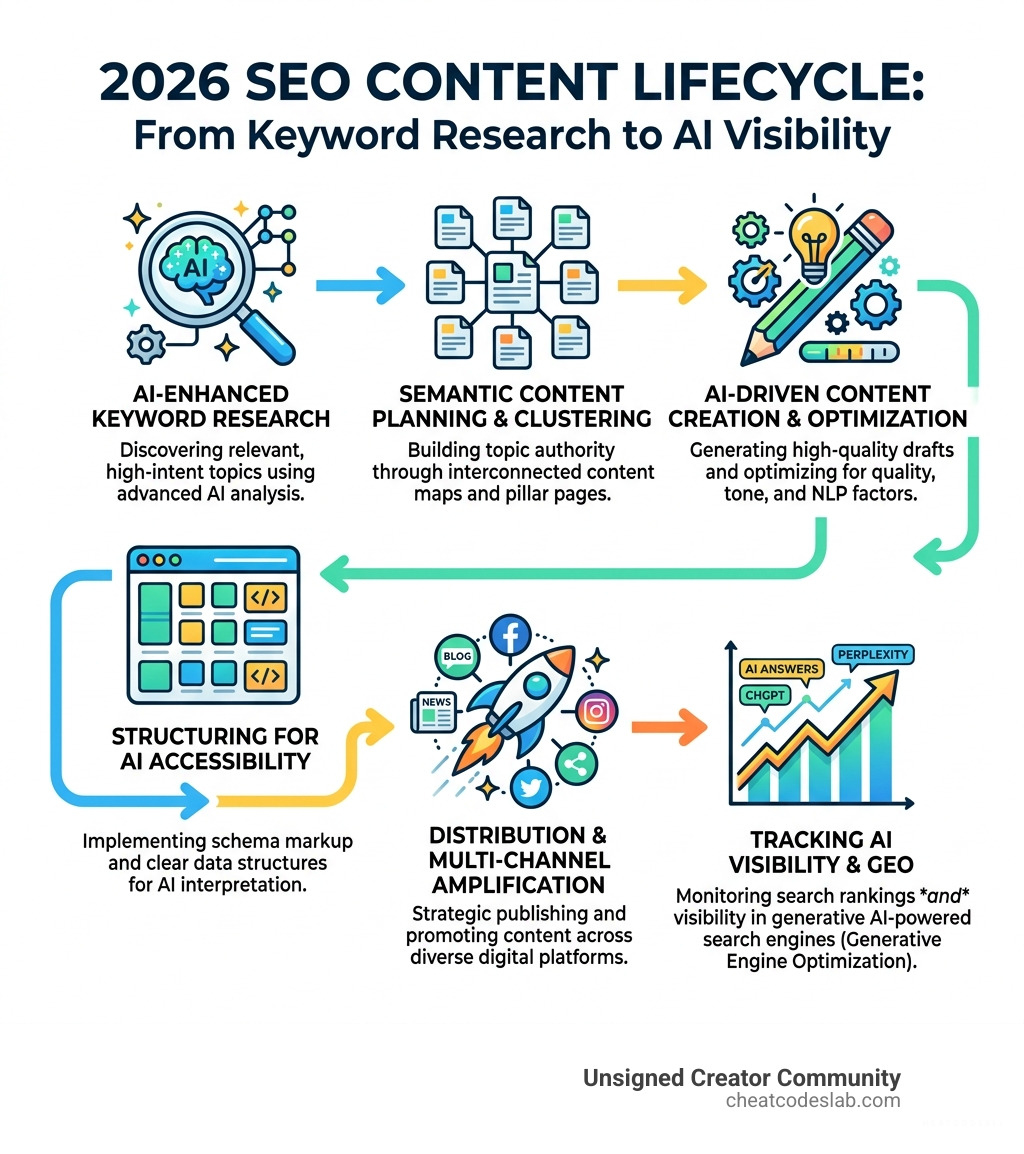
The stakes are higher than ever in 2026. It’s not enough to rank on Google anymore. Your content also needs to show up in AI-generated answers – a practice called Generative Engine Optimization (GEO). That means the tool you choose today needs to work for both traditional search and the AI-powered future.
The good news? A handful of tools genuinely stand out from the noise. We tested the major categories so you don’t have to.
I’m digitaljeff – I’ve spent 20+ years building brands and scaling content strategies across digital media, and I’ve seen how the right SEO content tools can make or break a content operation. Let’s cut through the clutter and find the right fit for your workflow.
SEO content tools vocabulary:
- AI-driven content creation
- Automated content creation
- AI tools for online marketing
- Natural language processing
Key Features of Modern SEO content tools
Choosing the right software in 2026 isn’t just about finding a place to type; it’s about finding a “passage-level architect” for your brand. Modern SEO content tools have evolved far beyond basic keyword stuffing. Today, they function as sophisticated data hubs that bridge the gap between human creativity and machine understanding.
The most critical feature to look for is NLP (Natural Language Processing) analysis. The strongest platforms now use advanced language models and entity analysis to review the top search results. This allows them to suggest specific entities and terms that provide “information gain,” a key ranking factor in 2026.
Another essential element is the content brief generator. Instead of spending hours manually auditing competitors, top-tier AI SEO software can now generate a full structural outline in seconds. These briefs include recommended headings (H1-H3), question sections based on “People Also Ask” data, and even suggested internal links.

Furthermore, advanced keyword research is now integrated directly into the writing environment. You no longer have to jump between a research tool and a document. The best tools offer real-time feedback, showing you exactly how your SEO score improves as you add suggested terms or adjust your headers.
Feature Comparison Table
| Feature | Specialized Optimizers | All-in-One Platforms |
|---|---|---|
| NLP Depth | Extremely high; focused on semantic entities. | High; integrated with broader SEO data. |
| Workflow | Best for deep editing and final polish. | Best for ideation through to publishing. |
| Topic Clusters | Manual or semi-automated. | Fully automated cluster visualization. |
| Real-Time Scoring | Highly sensitive and precise. | Practical and actionable for general use. |
Comparing All-in-One Platforms vs. Specialized SEO content tools
In our testing, we found that the “best” tool often depends on your existing workflow. All-in-one platforms are the Swiss Army knives of the industry. They offer everything from backlink audits to technical site health. For teams that want a single login to manage their entire AI SEO tools guide strategy, these are hard to beat.
On the other hand, specialized SEO content tools focus entirely on the writing experience. They don’t try to be a backlink checker; they just want to help you write the best possible article for a specific keyword.
Types of Platforms Found in 2026:
- The Giants: Enterprise-scale marketing platforms for large teams.
- The Specialists: High-precision content grading and optimization tools.
- The Automators: Platforms built for bulk production and “hands-off” workflows.
- The Budget Heroes: Affordable options for solo creators and small teams.
The Role of NLP and Real-Time Scoring in SEO content tools
We’ve moved past the era where “keyword density” meant mentioning your target phrase five times. In 2026, Google and AI search engines look for semantic relevance. If you are writing about “best hiking boots,” modern tools expect to see terms like “ankle support,” “Vibram sole,” and “waterproof membrane” because these are the entities that define a high-quality article on that topic.
This is where real-time scoring becomes a game-changer. As you type in a modern optimizer, a needle moves from red to green. This isn’t just a gimmick; it’s a live benchmark against the current SERP (Search Engine Results Page).
Following these SEO content tips ensures that you aren’t just writing for the sake of it – you are checking off the “knowledge boxes” that search engines require for a top-three position. However, a word of caution: don’t let the tool override your human voice. If a tool suggests adding “project manager” to an article about “productivity apps” and it doesn’t fit the context, ignore it. Accuracy benchmarks show that while AI is smart, it still lacks the human “smell test.”
Optimizing for GEO and Generative AI Visibility
The biggest shift we tracked this year is the rise of GEO (Generative Engine Optimization). With the integration of AI search into platforms like Bing (via ChatGPT) and Google’s AI search experiences, your content needs to be “readable” by Large Language Models (LLMs).
Some platforms now include “AI Visibility” indexes. These features track how often your brand or content is cited in AI-generated answers. To win in this space, AI SEO automation is becoming essential. You need to structure your content with clear, passage-level architecture – using bullet points, tables, and concise summaries – so that AI agents can easily extract your information for their answers.
Essential Free Tools for Technical Optimization
Even with the most expensive paid software, you cannot ignore the foundational free tools provided by Google. These are the “truth-tellers” of the SEO world.
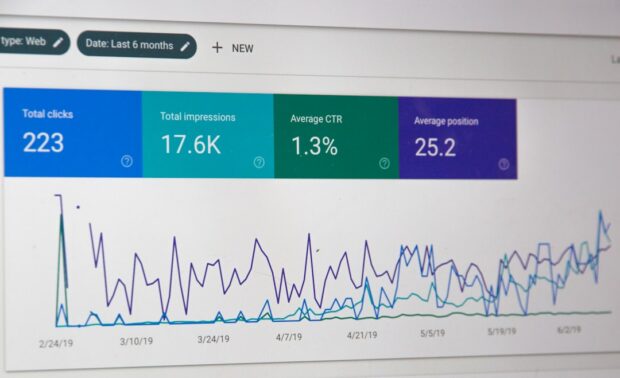
- Google Search Console (GSC): This remains the gold standard for first-party data. Use it to find “traffic decay” (pages that are losing clicks) and to see exactly which queries are driving people to your site.
- PageSpeed Insights: Content won’t rank if the page takes five seconds to load. We use this to monitor Core Web Vitals, ensuring our technical SEO is as sharp as our writing.
- Schema Markup: While many paid tools generate schema, using a dedicated schema markup guide and free validators ensures that search engines understand the context of your content (e.g., is this a recipe, a review, or a product?).
For those just starting, exploring AI SEO tools free options like Hemingway Editor or the basic tier of GSC is a smart way to build a foundation without upfront costs.
Integration Workflows for Agencies and Solo Creators
Efficiency is the name of the game in 2026. No one wants to copy and paste text back and forth between five different apps. This is why integration is a top-three feature for us.
- Google Docs & WordPress: Many modern tools offer extensions that live right inside your Google Doc or WordPress editor. You get your SEO score and keyword suggestions in the sidebar while you write.
- Zapier Automation: For agencies, connecting your SEO tool to Zapier allows you to automate the “boring stuff.” For example, when a new content brief is generated, Zapier can automatically create a task in Trello or Slack for your writer.
- Team Collaboration: If you’re an agency, look for tools that offer shareable “Guest Links.” This allows you to send a content brief to a freelance writer without having to pay for an extra user seat.
Using AI for SEO content within these integrated workflows can cut production time by up to 50%, allowing you to focus on strategy rather than formatting.
Pricing Models and Value Analysis for 2026
Pricing for SEO content tools has shifted significantly. While the “standard” $99/month plan still exists, we are seeing more flexible models:
- Subscription Tiers: Traditional monthly fees that give you a set number of “reports” or “optimization credits.”
- Per-Article Pricing: Some tools charge per article generated, which is fantastic for teams that have fluctuating content needs.
- Add-on Models: Some platforms offer a low base price but charge extra for “AI Visibility” or “Brand Monitoring” features.
For solo creators on a budget, lower-cost tools can offer excellent value – often providing many of the features of premium tools at a fraction of the cost. Agencies, however, should look toward platforms built for scale, where the ROI comes from coaching, white-label reporting, and bulk automation features. You can find more AI SEO tools free trials to test these out before committing your budget.
Conclusion: Mastering Your Content Strategy
The landscape of SEO content tools is more crowded than ever, but the goal remains simple: provide the best possible answer to the user’s question. Whether you choose an all-in-one powerhouse or a specialized NLP optimizer, the key is to use these tools as a “co-pilot” rather than an “autopilot.”
At CheatCodesLab, we believe that the future of search belongs to those who combine AI efficiency with authentic, lived experience. Don’t just chase a 100/100 score in a tool; write content that actually helps your audience.
By integrating these tools into a cohesive strategy, you can future-proof your brand against algorithm shifts and the rise of AI search. It’s time to stop guessing and start ranking. If you’re ready to take the next step, you can unlock your internet money potential by mastering the tools that the pros use.
Our Final Verdict for 2026:
- For the perfectionist: Choose a specialist content optimizer with strong semantic analysis.
- For the fast-moving agency: Choose a workflow-first platform with automation and collaboration.
- For the budget-conscious: Choose a lower-cost optimizer with strong content scoring.
- For the technical pro: Choose a platform with deep auditing and real-time optimization.
Now, go forth and optimize! The top of the SERPs (and the AI chat bubbles) is waiting for you.


About the author


How to Archive Posts on Instagram in 4 Easy Steps
Master archiving on Instagram in 4 easy steps to organize your profile and protect your content.

Beginner’s Guide to 10k free instagram followers app
Discover how a 10k free instagram followers app works, its risks, and safe organic growth strategies for real engagement in 2026.

Beginner’s Guide to Best Instagram Report App
Discover the best Instagram report app for real-time analytics, automated reports, and data-driven decisions in 2026.
How to Master Advanced SEO Search Techniques in 7 Steps
Master advanced search techniques in SEO with 7 proven steps to boost rankings, technical audits, and organic traffic.

Cheat Sheet to the Best Business Apps
Discover the best business apps to streamline operations, boost productivity, and scale your business in 2026.

How to Get Instagram Followers Free APK in 5 Steps
Discover how instagram followers free apk 2026 download works and learn safe organic growth strategies instead of risky third-party tools.
Related
Beginner’s Guide to Best Instagram Report App
Discover the best Instagram report app for real-time analytics, automated reports, and data-driven decisions in 2026.
Cheat Sheet to the Best Business Apps
Discover the best business apps to streamline operations, boost productivity, and scale your business in 2026.

The Ultimate Guide to AI Generated SEO Content Tools
Master ai generated seo content with proven tools, Google guidelines, and GEO strategies that boost rankings and drive real results.

The Complete Guide to 1k Followers App
Discover how a 1k followers app can help you reach TikTok Live and boost Instagram growth fast with safe, organic strategies.
The Ultimate Guide to Best Local SEO Tools
Discover the best local seo tools to boost visibility, manage citations, and optimize your Google Business Profile in 2026.

Backlink Building Tool Survival Guide
Discover top backlink building tool strategies: Compare Ahrefs, Semrush, AI outreach like Linkee, free options, and penalty recovery tips for 2026 SEO success.