

Branding for artists 101: Excel & Thrive
Why Branding for Artists Is Your Key to Creative Success
Branding for artists is the strategic process of defining and communicating your unique creative identity to build recognition, trust, and a loyal audience. In today’s competitive creative landscape, your brand is more than just a logo—it’s your story, values, and the emotional connection you create with your audience.
Quick Guide to Artist Branding:
- Define Your Core Identity – Find your unique artistic voice, values, and mission.
- Create Visual Consistency – Develop a cohesive look across all platforms.
- Build Your Online Presence – Establish professional websites and social media.
- Engage Your Audience – Share your story and connect authentically.
- Measure and Adapt – Track your success and evolve your brand over time.
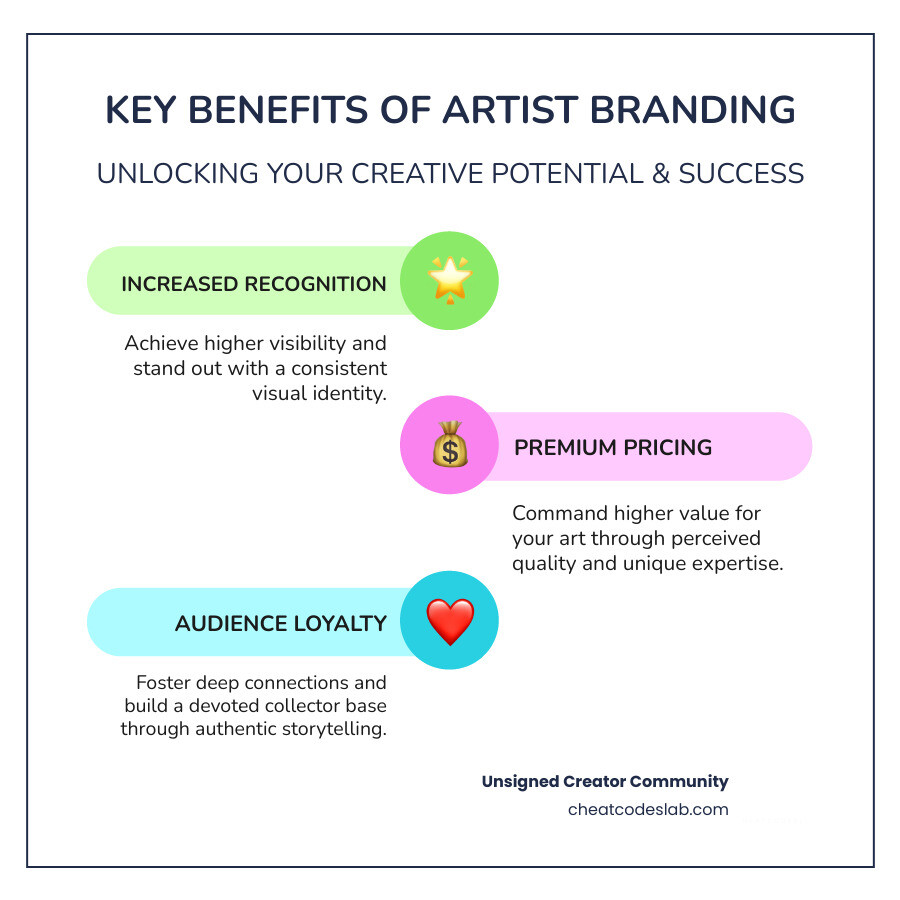
The creative industry is booming, with the global art market estimated at over 67 billion U.S. dollars as of 2018. With millions of artists competing for attention, a strong brand is essential for success. It’s fundamentally your reputation and the impression you give people. This authenticity becomes your competitive advantage, helping you charge premium prices, get invited to exclusive exhibitions, and build a devoted collector base.
Every artist has a personal brand. The question is: are you actively shaping yours, or letting it develop by chance?
Learn more about branding for artists:
The Strategic Guide to Branding for Artists
Here’s the truth about branding for artists: you already have a brand. The question is whether you’re actively shaping it or letting it develop by chance. A strong brand helps you charge premium prices, get invited to exclusive exhibitions, and build a devoted collector base. Your brand is the bridge between your art and your audience. Let me walk you through how to build it.
Step 1: Define Your Core Identity and Narrative
The foundation of effective branding for artists is authenticity. Your brand must genuinely represent who you are. This process begins with self-awareness. Ask yourself: What do you want to be known for? Why do you create art?
Frameworks like Simon Sinek’s “Start with Why” and Jim Collins’ Hedgehog Concept can help. Focus on why you create, not just what you create. Your “why”—be it environmental conservation, human connection, or social commentary—is the emotional core that connects with your audience. Find the intersection of what you’re passionate about, what you can be the best at, and what is economically viable. This introspection leads to your Unique Selling Proposition (USP)—that special something that makes you stand out.
Define your core values (2-3 key traits) and your tone of voice (e.g., playful, serious, rebellious). This should be consistent in your social media, artist statements, and how you speak about your work. Your artist statement should capture your vision concisely. For inspiration, see these Personal Brand Statement Examples.
Most importantly, use storytelling. Share your journey, including the challenges. An authentic story builds more trust than perfectly polished content. The world needs the real you.
Step 2: Develop a Cohesive Visual Brand
Once you know who you are, show the world what that looks like. Your visual identity makes your brand instantly recognizable.
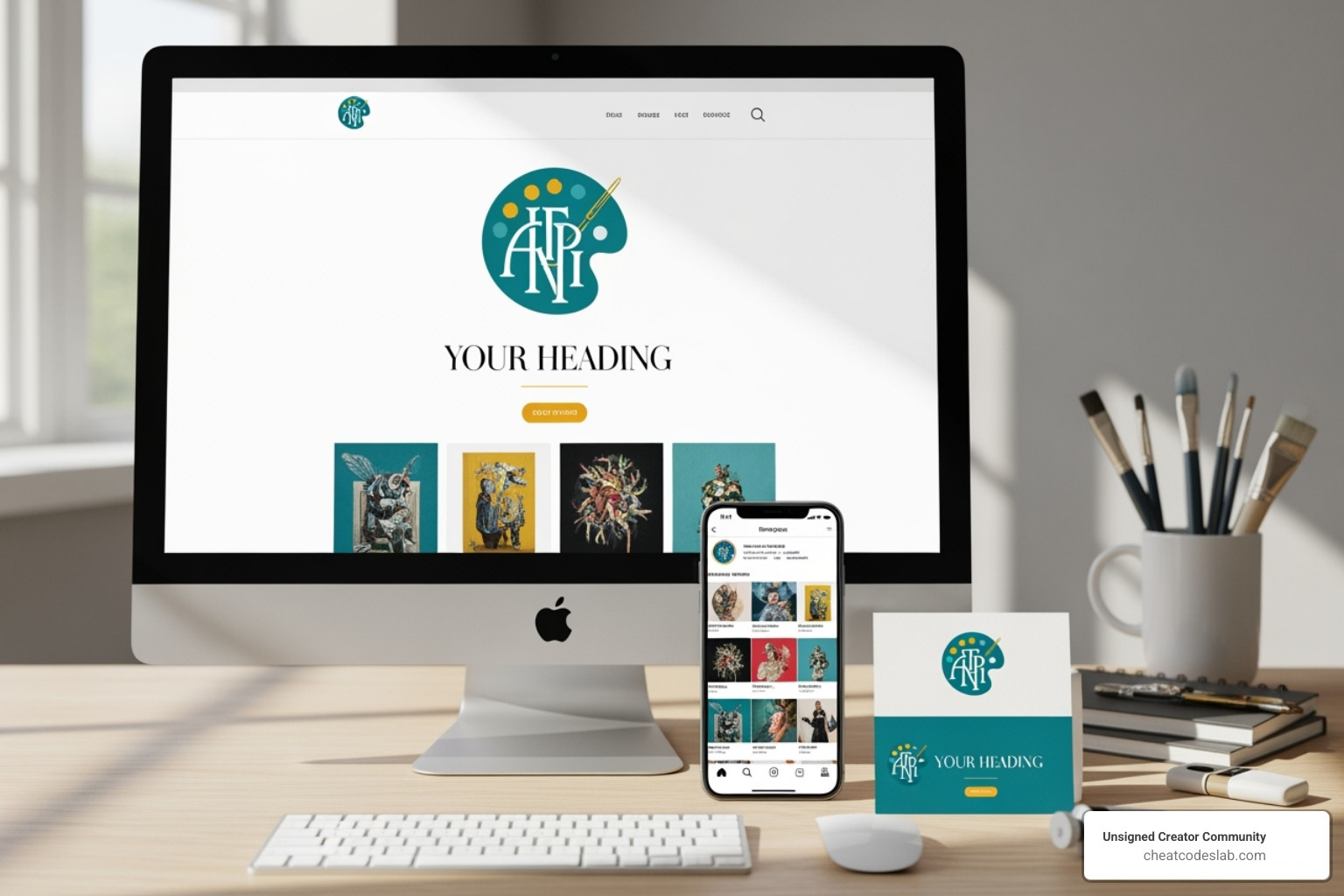
Consistency builds trust. A harmonious look across your website, social media, and business cards signals professionalism.
- Logo Design: Your signature might work, but a distinctive logo that captures your art’s essence is better. If you have a common name, add keywords like “Artist” or “Studio.”
- Color Psychology: Colors influence first impressions. Choose a palette that aligns with your brand’s personality and use it consistently.
- Typography: Your font choices communicate personality. A neat serif font suggests sophistication, while a clean sans-serif font signals modernity. Be consistent.
- Musicians: Your cover art must capture the music’s mood and stand out on platforms like Spotify. Use strong colors and ensure you own the rights to all images.
- Merchandise: Create designs you’d want to own, incorporating elements from your art. Your merch is a walking advertisement.
Create different asset versions (square, horizontal) for various platforms. If design isn’t your strength, many online tools and templates can help you create professional-looking visuals and maintain consistency.
Step 3: Build and Maintain a Strong Online Presence
Your online presence is your virtual studio, gallery, and storefront, open 24/7 to a global audience.
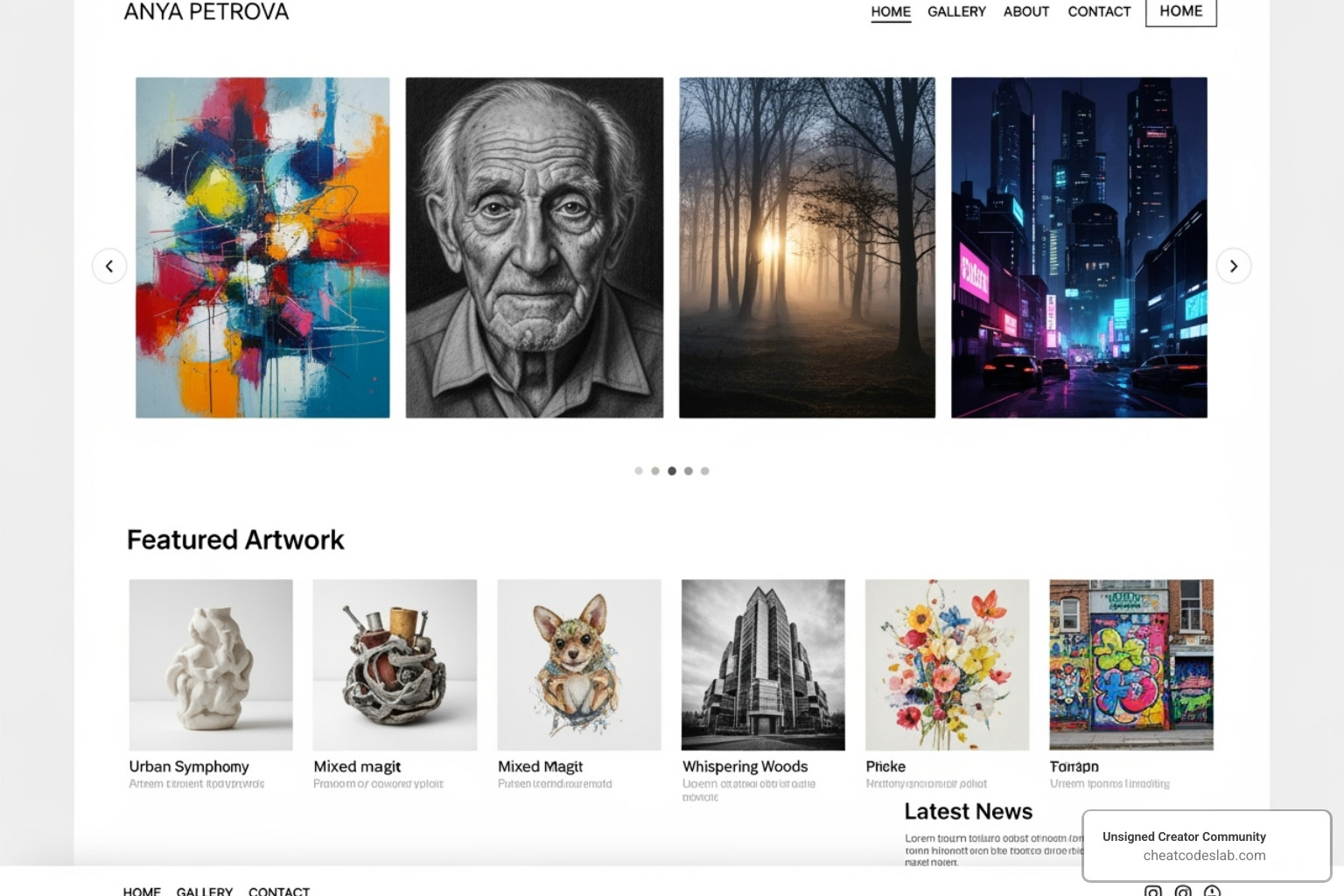
Your artist website is your home base—the one place online you completely control. Beyond your site, use social media like Instagram and YouTube to share your process. Musicians need a presence on Spotify and Apple Music.
Your social media strategy should be authentic. Share behind-the-scenes glimpses and personal insights that bring your “why” to life. For more guidance, check out our Social Media Branding Tips.
Consistency across platforms is non-negotiable. Use the same visuals, tone, and message everywhere. Use high-quality photos and consider interactive content like virtual studio tours to create an immersive experience.
Don’t overlook SEO for artists. Use relevant keywords on your site and social profiles so fans can find you. Finally, monitor your brand online by setting up alerts for your name to manage your reputation proactively.
Step 4: Engage, Collaborate, and Grow Your Audience
Building a brand isn’t a solo journey. The magic happens when you connect with others.
- Audience Engagement: Transform your brand from a broadcast into a conversation. Respond to comments, host Q&As, and share behind-the-scenes content to make followers feel part of your journey. A strong connection with your audience is essential for loyalty.
- Collaborations: Partner with like-minded artists or brands to expand your reach. A visual artist might create album art for a musician, generating buzz for both.
- Exposure: Actively seek opportunities. Apply for juried shows, art fairs, and residencies. Media coverage can significantly boost your credibility.
- Customer Experience: Every interaction, from inquiry to sale, should be professional. Clear pricing and reliable shipping encourage repeat business and referrals.
A strong brand opens doors to multiple revenue streams. Explore ways to How to Monetize Your Personal Brand, from direct sales to licensing deals.
Measuring and Evolving Your Brand for Long-Term Success
Think of your brand as a garden—it needs regular tending to keep growing. Branding for artists isn’t a one-time task. It’s an ongoing journey of measurement and adaptation as you evolve as an artist.
Key Metrics and Best Practices in Branding for Artists
Measuring brand success isn’t just about vanity metrics like follower counts. It’s about whether your brand is helping you achieve your goals, whether that’s selling more art or getting gallery invitations.
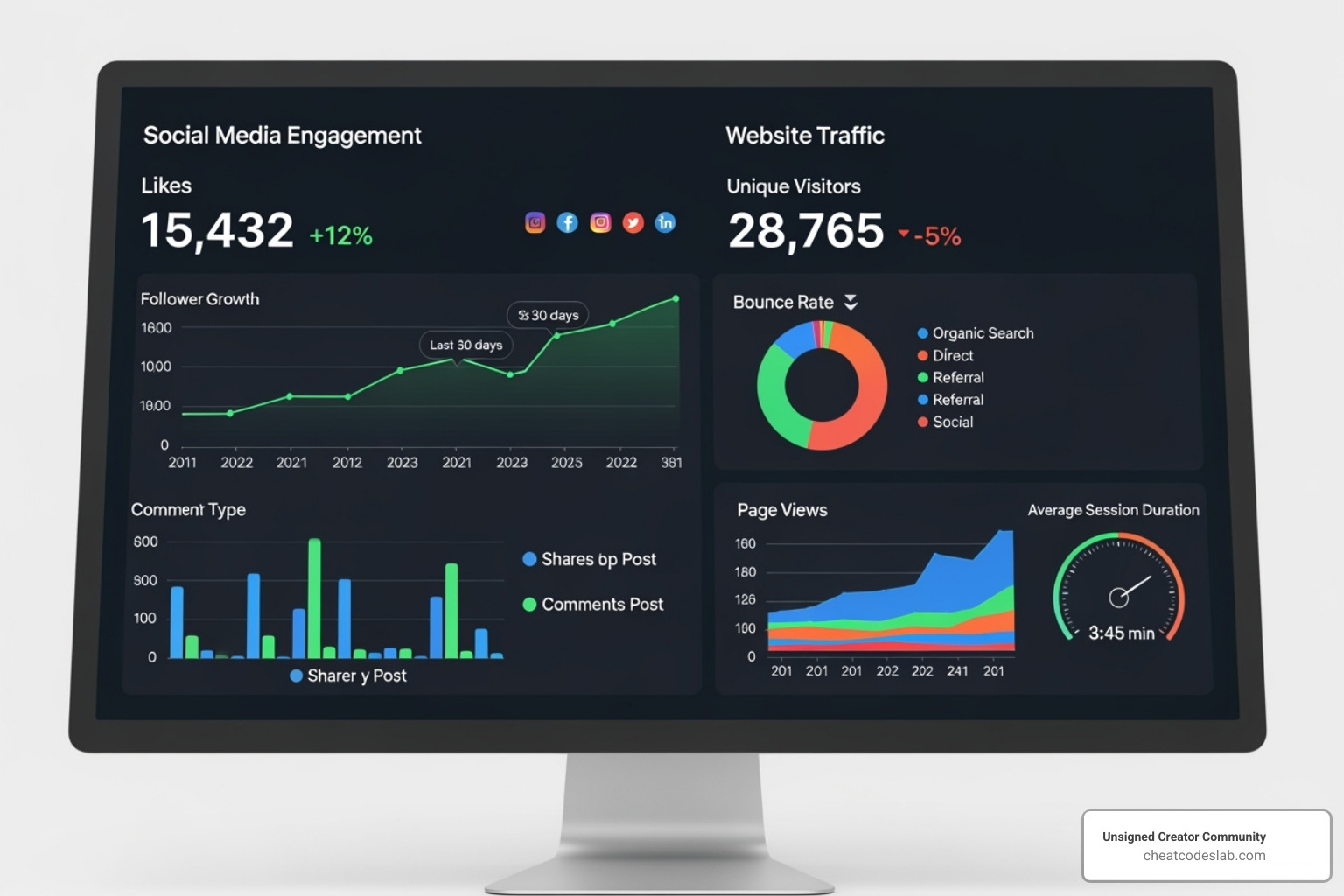
- Website Analytics: Track unique visitors, time on site, and conversion rates (e.g., newsletter sign-ups, purchases). These show your brand is compelling enough to inspire action.
- Social Media Metrics: Focus on engagement rates (likes, comments, shares). A smaller, engaged audience is more valuable than thousands of passive followers.
- Sales Data: Track total sales, average price per piece, and repeat customer rates. A strong brand should lead to repeat business and premium pricing.
- Audience Feedback: Pay attention to comments and messages. This qualitative data reveals how people perceive your brand and what emotions it evokes.
Avoid common pitfalls. Inconsistency is the biggest brand killer; a scattered message confuses your audience. Inauthenticity is equally damaging; audiences can sense when you’re not being genuine. Finally, don’t try to please everyone. It’s better to deeply resonate with your ideal audience than to be generic. Building Personal Brand Awareness requires consistent effort and smart measurement.
The Importance of Adaptation in Branding for Artists
Your brand should evolve with you. The artist you are today isn’t the same as five years ago. Your brand should reflect this growth, not hold you back.
Brand evolution doesn’t mean a complete reinvention. It means making thoughtful adjustments to keep your brand aligned with your current work. Review your brand identity every 12-18 months. Does your logo, color palette, and artist statement still feel like you?
Listen to audience feedback to understand how your brand is perceived. Stay curious about new tools and platforms, but you don’t need to jump on every trend. The key is to experiment thoughtfully, measure the results, and see what feels authentic.
Staying relevant means remaining connected to your audience and the art community while staying true to your core identity. Your “why”—the reason you create—is your anchor, but how you express it can and should evolve.
Tools like CheatCodesLab AI tools can help streamline content creation and optimization, giving you more time to focus on your art. Playing the long game is essential in branding for artists. Consistency over time, combined with thoughtful evolution, creates a lasting brand that opens doors.
For more insights, explore More info about personal branding services. The goal is authentic connection and continuous growth.


About the author

How to Archive Posts on Instagram in 4 Easy Steps
Master archiving on Instagram in 4 easy steps to organize your profile and protect your content.

Beginner’s Guide to 10k free instagram followers app
Discover how a 10k free instagram followers app works, its risks, and safe organic growth strategies for real engagement in 2026.
Beginner’s Guide to Best Instagram Report App
Discover the best Instagram report app for real-time analytics, automated reports, and data-driven decisions in 2026.
How to Master Advanced SEO Search Techniques in 7 Steps
Master advanced search techniques in SEO with 7 proven steps to boost rankings, technical audits, and organic traffic.

Cheat Sheet to the Best Business Apps
Discover the best business apps to streamline operations, boost productivity, and scale your business in 2026.

How to Get Instagram Followers Free APK in 5 Steps
Discover how instagram followers free apk 2026 download works and learn safe organic growth strategies instead of risky third-party tools.
Related
How to Archive Posts on Instagram in 4 Easy Steps
Master archiving on Instagram in 4 easy steps to organize your profile and protect your content.
Beginner’s Guide to Best Search Engine Optimization SEO
Master best search engine optimization SEO with this beginner's guide covering on-page, technical, and AI strategies for higher rankings.

Ultimate Checklist for Social Media Marketing Agency
Discover the ultimate checklist for choosing a social media marketing agency that drives real ROI and growth.

Hot Summer Caption Ideas That Spark Engagement
Discover hot summer caption ideas that boost engagement, from short aesthetic lines to funny unhinged vibes and beach photo dumps.

How to Add Text to Instagram Story in 5 Easy Steps
Learn how to add text to Instagram Story in 5 easy steps with our native tips and creative text hacks for better engagement.

How to Add Audio to Instagram Story the Right Way
Learn how to add audio clip in Instagram Story using built-in music or your own file with this step-by-step guide.