

How to use AI: The Ultimate 101 Guide
Why Learning How to Use AI is Essential Right Now
How to use AI starts with three steps: pick an AI tool, give it clear instructions (prompts), and review and refine the output. You can use it for writing, research, design, and coding without any technical expertise.
Artificial intelligence is no longer a distant concept; it’s a practical tool reshaping daily work. ChatGPT reached 1 million users in just five days, a milestone that took Netflix 3.5 years. The message is clear: AI has moved from cutting-edge to an everyday necessity.
Yet, many people find their first attempts with AI disappointing. The results are generic, require heavy editing, and leave you wondering if you’re using it right. That’s because knowing AI exists and knowing how to use it are completely different things.
The good news is you don’t need a computer science degree. You just need to know which tools to use and how to prompt them effectively. AI can help you write faster, analyze data, brainstorm ideas, and learn new skills—but only if you understand how to guide it.
This guide will show you how to start. We’ll cover picking your first tool, writing effective prompts, and using AI for real-world tasks like content creation and research. We’ll also discuss the responsible use of AI, because with great power comes great responsibility. At CheatCodesLab, we’ve mastered using AI for content and marketing, and we’re here to show you the practical path forward.
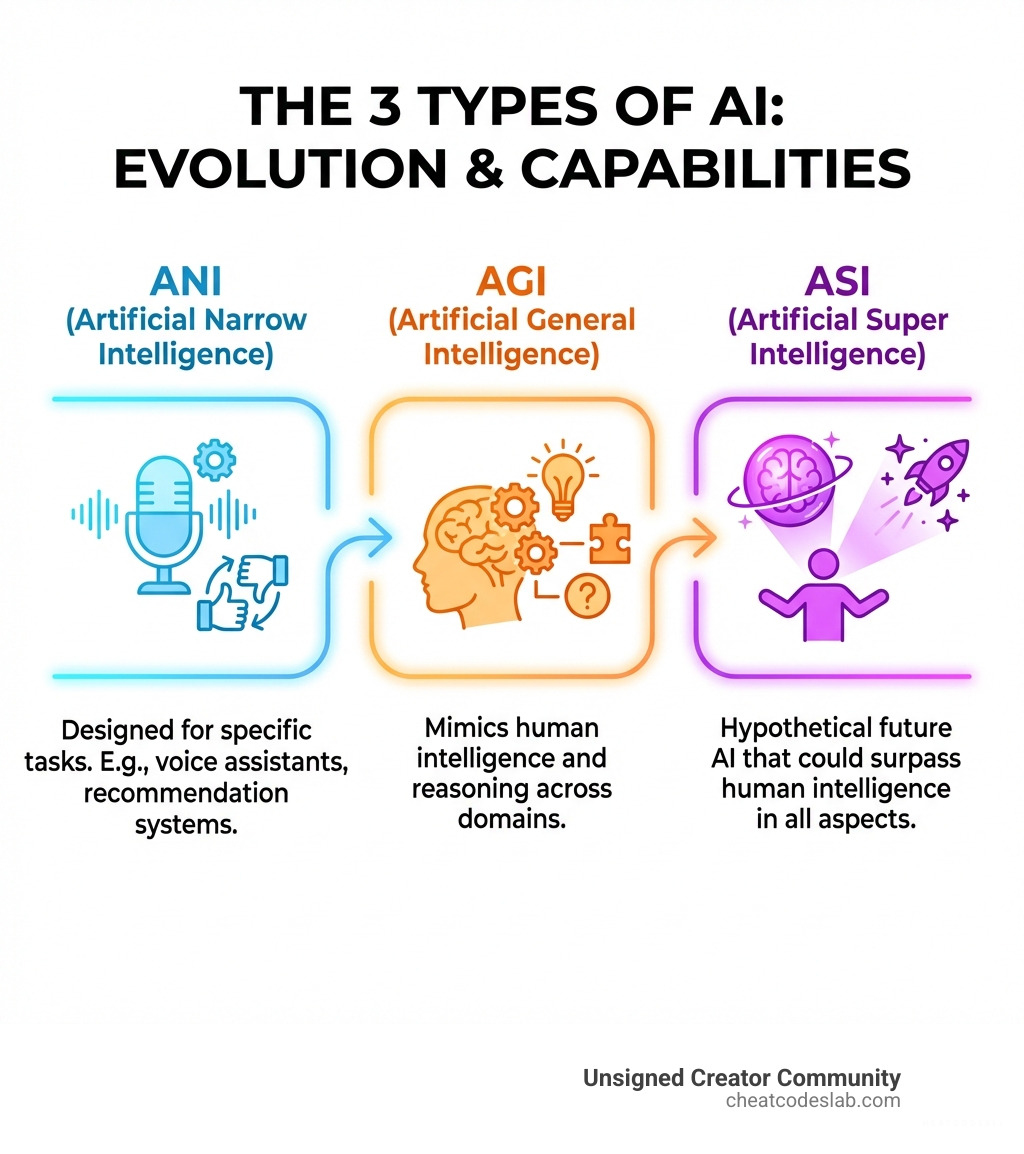
How to use AI terms to know:
A Practical Guide on How to Use AI Effectively
How to use AI effectively boils down to understanding your needs and picking the right tool. AI is an accessible utility for everyone, designed to make our work more efficient.
Choosing Your First AI Tool
Think of AI tools like a Swiss Army knife—you need the right blade for the task. For most people, versatile, general-purpose systems are the best starting point. These conversational AI companions can handle complex requests and generate a wide array of outputs, from text to code.

Many top AI tools offer free tiers, which are great for learning and basic tasks. However, for serious work like in-depth analysis or comprehensive writing, upgrading to a paid version is often worthwhile. Paid tiers open up more powerful models, higher usage limits, and advanced features that provide speed and accuracy free versions can’t match.
Exploring free options is a great way to get a feel for how to use AI without commitment. As you get comfortable, you’ll know which features are essential for your tasks.
To help you get started, we’ve curated resources on AI Tools for Beginners and Free AI Software.
Mastering the Art of the Prompt: Getting What You Want from AI
Once you have a tool, mastering the prompt is the next step. A prompt is your instruction to the AI; the better the instruction, the better the result. A well-crafted prompt consistently yields superior outcomes.
We use a simple formula for modeling AI prompts:
[Context] + [Background Info] + [Goals] + [Format/Constraints] + [Specific Question]
Let’s break it down:
- Context: Tell the AI its role (e.g., “Act as a marketing specialist…”).
- Background Info: Provide necessary details (e.g., “Our product is an AI-powered SEO platform…”).
- Goals: State your objective (e.g., “…write a compelling email to clients.”).
- Format/Constraints: Specify the structure (e.g., “The email should be under 200 words with a clear call to action.”).
- Specific Question: Give the direct command (e.g., “Draft three subject lines and the email body.”).
This structured approach moves beyond vague requests to a highly targeted directive, ensuring the AI understands its role, purpose, and the required output. While older advice suggested tactics like “being polite,” modern AIs respond best to clarity and detail.
We’ve put together a comprehensive guide on A structured formula for modeling AI prompts and ChatGPT Writing Prompts to help you hone your skills.
Step-by-Step: AI for Content Creation and Research
One of the most immediate ways how to use AI is in content creation and research.
- Writing and Editing: AI can draft persuasive sales copy, professional emails, and social media posts in minutes. Just provide the product details, audience, and tone.
- Summarizing Documents: Feed long reports or articles to an AI and ask for a concise summary or key takeaways to quickly grasp complex information.

- Brainstorming Ideas: Use AI as an infinite brainstorming partner for blog topics, campaign ideas, or headlines.
- Generating Articles: AI can produce initial drafts for articles and blog posts. Provide a keyword and target audience, but always review and edit the output for accuracy and originality.
- Deep Research and Analysis: AI can process vast amounts of data, summarize complex topics, and analyze documents for patterns or sentiment. For example, ask it to synthesize findings from multiple research papers into a literature review outline.
Our resources on AI-Driven Content Creation, AI Content Creation Guide, and AI Tools for Analytics offer more in-depth insights.
AI for Visuals, Audio, and Code
AI’s utility extends far beyond text, opening new creative and technical possibilities.
- Graphic Design and Art: With a simple text prompt, AI image generators can create custom art, logos, and product images, bringing your vision to life without advanced design skills.
- Video Editing and Creation: AI tools can generate video clips from images, edit footage, add effects, or create entire videos from scripts, making production faster and more accessible.
- Audio Productivity: AI can create audiobooks from text, automatically edit podcasts by removing noise and transcribing interviews, and even compose original, royalty-free music for your projects.
- Code Generation: AI coding assistants are a game-changer for developers. They can suggest code snippets, find errors, and refactor code, significantly speeding up development time.
Our guides on AI Image to Video Generator and Artificial Intelligence Coding dig deeper into these exciting areas.
Beyond the Basics: Growth, Responsibility, and the Future of AI
As you get better at how to use AI, it’s crucial to look beyond productivity. AI is a catalyst for growth, and its responsible use will shape its future impact.
How to Use AI for Learning and Professional Growth
AI skills are quickly becoming as fundamental as digital literacy. Using AI for learning is a powerful way to future-proof your career.
- Personalized Learning: AI can offer customized educational paths. For instance, free introductory courses like Elements of AI have attracted over 1.8 million students from 170+ countries, showing that AI education is becoming more inclusive.
- Skill Development: Learning AI skills can boost your productivity and open new career doors. Studies show that 85% of learners who earn a cloud certification gain skills for in-demand roles. These certifications validate your expertise for the AI era.
- Staying Ahead: Understanding AI’s capabilities helps you identify opportunities in your specific role, whether it’s marketing, sales, or engineering. Continuous learning is the cornerstone of success in the digital age.
Ready to start? Check out our Artificial Intelligence Tutorial Free and the foundational concepts in our Start the free Introduction to AI course.
How to Use AI Responsibly and Transform Your Business
With AI’s power comes great responsibility. Understanding how to use AI responsibly is paramount for ethical use and sustainable business growth.
- Ethical Principles: Adhere to key principles like Fairness (avoid bias), Accountability (you own the output), Security (protect sensitive data), and Transparency (disclose AI use). Always stay educated on AI’s risks and use it only when it’s truly relevant.
- Limitations and Risks: AI is not infallible. Be aware of:
- Hallucinations: AI can invent facts. Always fact-check critical information.
- Bias: Models can reflect societal biases, leading to unfair results.
- Data Privacy: Avoid inputting sensitive information into public tools.
- Misuse: AI can be used to create harmful content. Use it responsibly.
- Expertise: AI is not a substitute for human experts in fields like law or medicine.
Despite these risks, AI offers huge opportunities for business growth by automating tasks, generating insights, and personalizing customer experiences. At CheatCodesLab, we specialize in certified AI tools for content marketing and SEO to help creators harness this growth. By integrating AI thoughtfully, businesses can open up new levels of productivity.
For more guidance, refer to our AI-Driven Marketing Insights and Guidelines for responsible AI use. The journey of learning how to use AI is continuous. We encourage you to Explore our full suite of AI solutions to empower your creative and professional endeavors.


About the author


How to Archive Posts on Instagram in 4 Easy Steps
Master archiving on Instagram in 4 easy steps to organize your profile and protect your content.

Beginner’s Guide to 10k free instagram followers app
Discover how a 10k free instagram followers app works, its risks, and safe organic growth strategies for real engagement in 2026.

Beginner’s Guide to Best Instagram Report App
Discover the best Instagram report app for real-time analytics, automated reports, and data-driven decisions in 2026.
How to Master Advanced SEO Search Techniques in 7 Steps
Master advanced search techniques in SEO with 7 proven steps to boost rankings, technical audits, and organic traffic.

Cheat Sheet to the Best Business Apps
Discover the best business apps to streamline operations, boost productivity, and scale your business in 2026.

How to Get Instagram Followers Free APK in 5 Steps
Discover how instagram followers free apk 2026 download works and learn safe organic growth strategies instead of risky third-party tools.
Related

The Complete Guide to BrightLocal Local SEO
Master BrightLocal local seo with rank tracking, citation management, and review tools to boost visibility in 2026.

The Best AI Tools to Help Nonprofits Get Funded
Discover top AI tools for fundraising to boost nonprofit revenue, donor engagement, and efficiency with predictive & generative AI.

How Machine Learning is Teaching Old Ads New Tricks
Discover how machine learning in digital advertising revolutionizes bidding, targeting, and personalization for superior ROI.

The AI Muse: A Writer’s Guide to ChatGPT
Unlock ChatGPT for writers: Master prompts, beat writer's block, build plots, characters & workflows ethically.

The Robots Are Writing Now and Other AI Content Marketing Software Secrets
Discover ai-driven saas-based content marketing software secrets. Boost SEO, scale workflows, and dominate 2026 trends now!

Ghost Murmur CIA
Ghost Murmur: The Quantum Blueprint for the Impossible Deep inside a fortified bunker in Tehran, an American soldier is breathing—and the CIA is watching that breath through a solid lead wall using a technology that technically shouldn’t exist. This isn't just a scene from a Tom Clancy novel; it’s the frontline of what CIA Director William J. Burns calls the "Technological Mission Center," a pivot where the agency is prioritizing quantum sensing to regain the edge in denied areas. We have officially entered the era of the Quantum Cold War, where physical barriers like concrete and distance are becoming obsolete. As the U.S. government pours $1.8 billion into the National Quantum Initiative to ensure "quantum supremacy," the line between hard science and the supernatural is blurring before our eyes. If you’re a solopreneur or a creator, you need to […]