

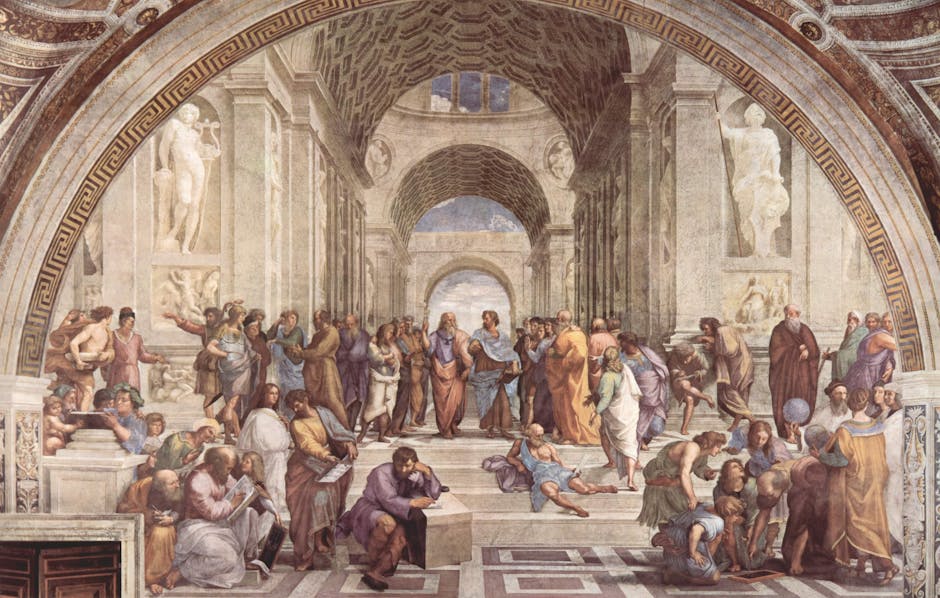

List of Stoics: Top 9 Essential Superstars
Why Understanding Stoic Philosophers Matters for Personal Growth
A list of stoics reveals some of history’s most influential thinkers who developed practical wisdom for living with purpose and resilience. From ancient Greek founders to Roman emperors, these philosophers created a timeless framework for navigating life’s challenges through virtue, reason, and acceptance.
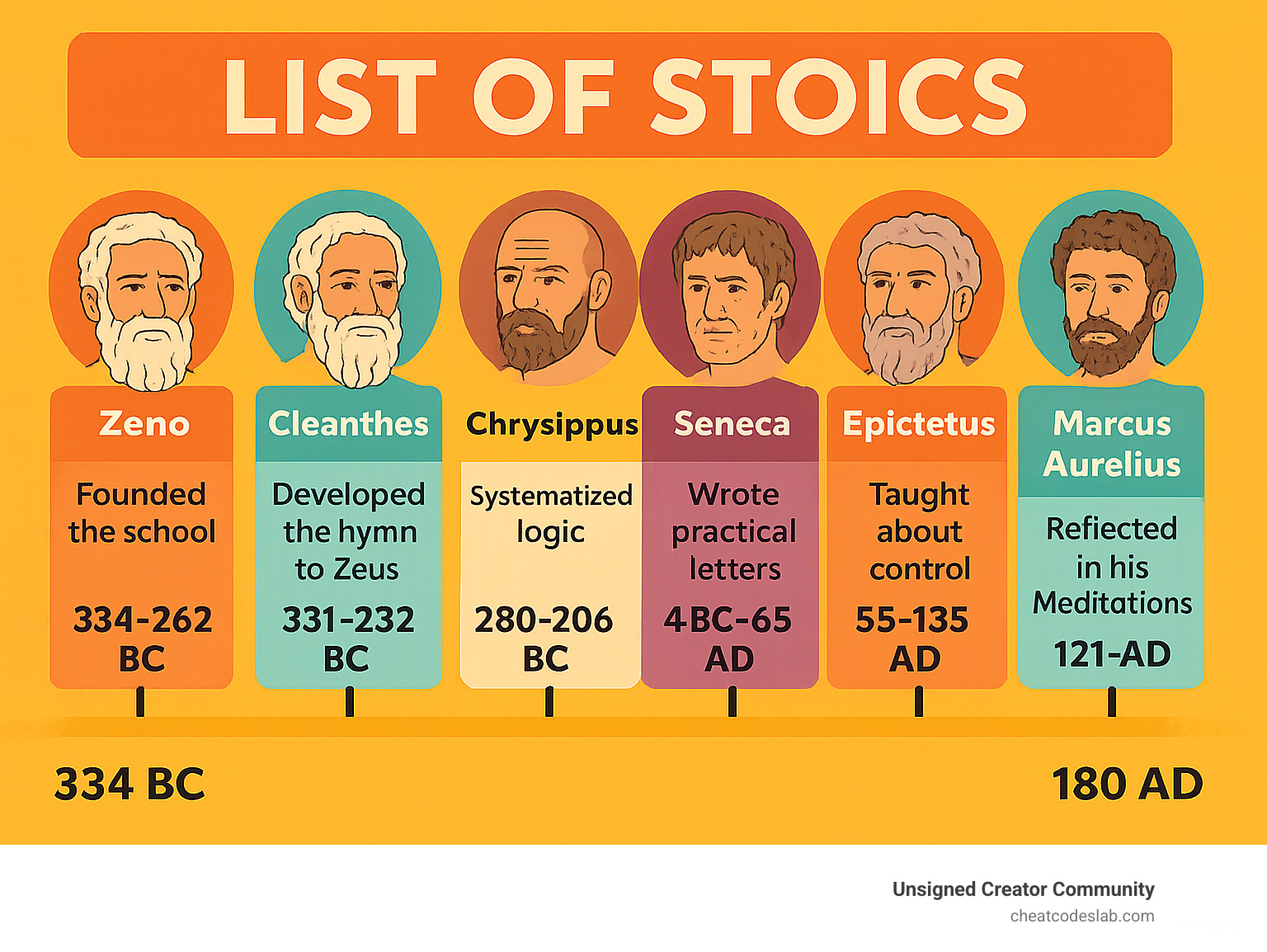
The Essential Stoic Philosophers:
- Zeno of Citium (334-262 BC) – Founder of Stoicism
- Cleanthes (331-232 BC) – Second head of the Stoic school
- Chrysippus (280-206 BC) – Systematized Stoic philosophy
- Seneca the Younger (4 BC-65 AD) – Roman statesman and playwright
- Epictetus (55-135 AD) – Former slave turned influential teacher
- Marcus Aurelius (121-180 AD) – Roman Emperor and philosopher
- Cato the Younger (95-46 BC) – Roman politician and moral exemplar
- Musonius Rufus (25-90 AD) – Known as the “Roman Socrates”
These thinkers came from remarkably diverse backgrounds—an emperor, a slave, wealthy statesmen, and even a water carrier. Yet they all contributed to a philosophy that teaches virtue is the highest good and that living in accordance with nature and reason leads to inner peace. Stoicism’s core principles—focusing on what you can control, accepting what you cannot, and responding to challenges with wisdom—have influenced everything from cognitive behavioral therapy to modern self-help.
Key list of stoics vocabulary:
Introduction to Stoicism and the Philosophers
Stoicism is a practical philosophy that originated in Athens around the 3rd century BC. Named for the “Stoa Poikile” (Painted Porch) where its founder, Zeno of Citium, taught, it aims to help individuals live a virtuous and fulfilling life. At its core, Stoicism teaches that external circumstances like wealth or health are “indifferent,” as our happiness is determined by our internal response to them.
The central tenets of Stoicism revolve around:
- Virtue as the Sole Good: The four cardinal virtues are wisdom, courage, justice, and temperance. Living virtuously is the key to eudaimonia (true happiness).
- Living in Accordance with Nature: This means living in harmony with the rational order of the universe and focusing on what we can control: our thoughts, judgments, and actions.
- Reason and Logic: Stoics believed reason is our highest faculty, allowing us to make sound judgments and manage our emotions.
- Inner Peace (Ataraxia): By cultivating virtue, Stoics aim for a state of tranquility and emotional resilience, preventing destructive emotions that arise from faulty judgments.
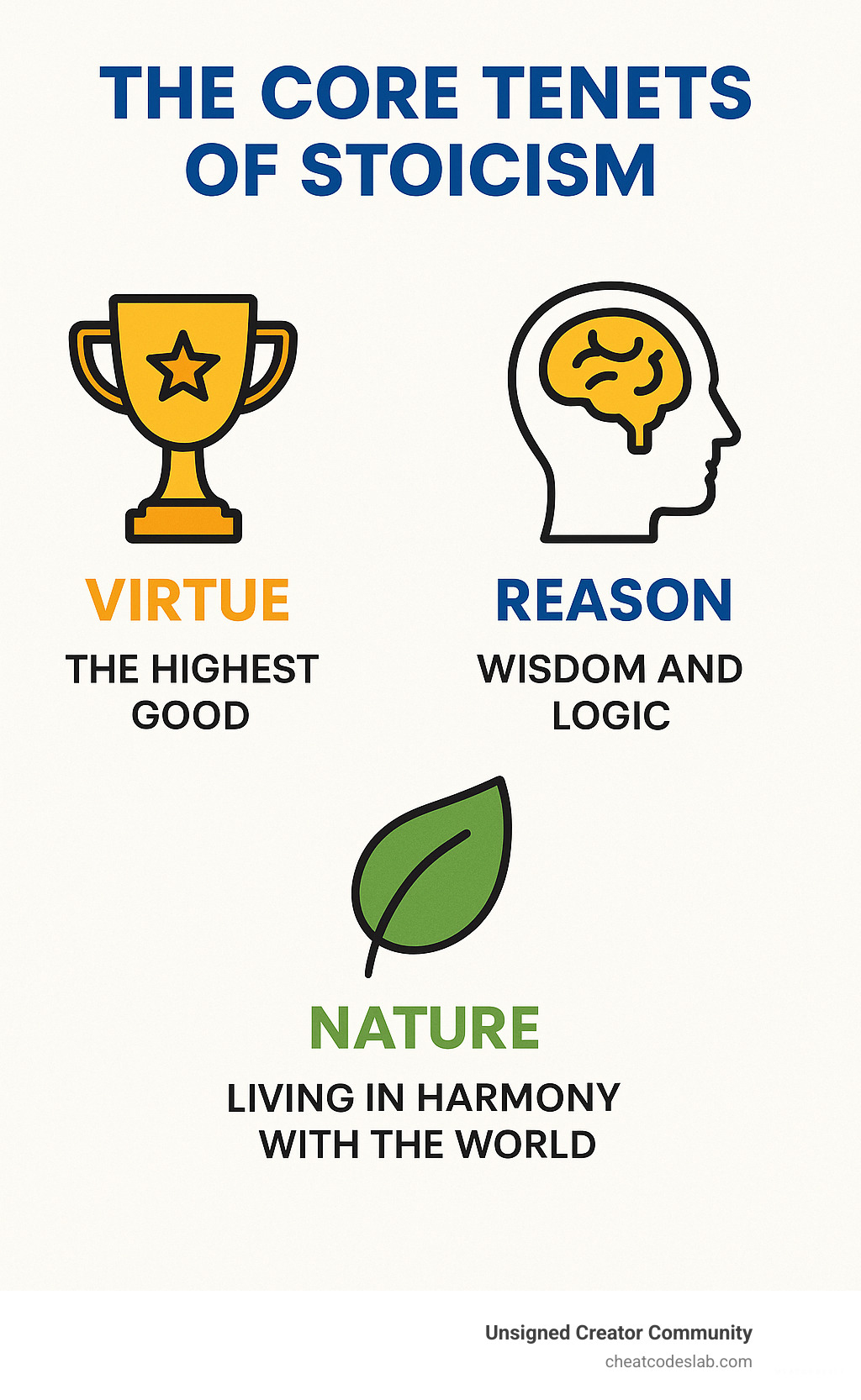
This profound framework, developed by the brilliant minds on our list of stoics, has profoundly influenced Western thought and continues to resonate deeply in our modern world.
The Definitive List of Stoics: From Ancient Greece to Rome
The story of Stoicism unfolds across three periods, from the streets of Athens to the halls of imperial Rome. Each era on our list of stoics adapted the philosophy while preserving its core teachings on virtue, reason, and living in harmony with nature.
The Greek Founders: Zeno, Cleanthes, and Chrysippus
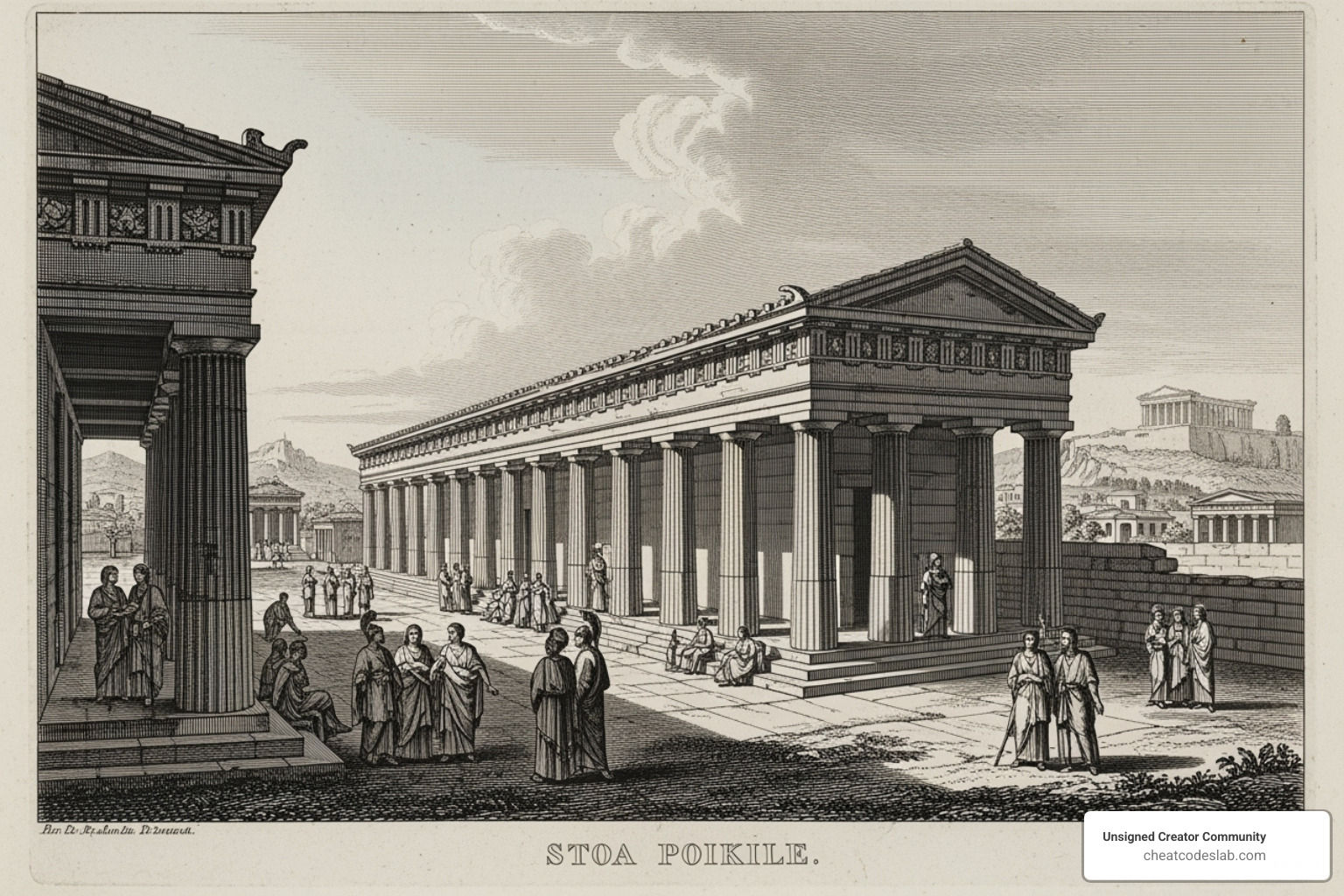
Stoicism began in Athens around 300 BC under the columns of the Stoa Poikile.
Zeno of Citium (334-262 BC) was a wealthy merchant who turned to philosophy after a shipwreck near Athens. Inspired by Socrates, he began teaching that virtue based on knowledge is the highest good and that a wise person lives in harmony with nature.
Cleanthes (331-232 BC), a former boxer, worked as a water-carrier by night to fund his philosophy lessons by day. As the second head of the school, he embodied Stoic perseverance and faithfully preserved Zeno’s teachings.
Chrysippus (280-206 BC) was the intellectual powerhouse who earned the title “Second Founder of Stoicism.” He systematized Stoic doctrine, creating a robust logical framework that allowed the philosophy to thrive for centuries.
As Stoicism spread to Rome, its focus shifted from systematic logic toward practical application in daily life, leadership, and building personal resilience. For deeper insights, explore More about the history of Stoicism.
The Roman Titans: Seneca, Epictetus, and Marcus Aurelius
Stoicism found a natural home in Rome, a culture that prized duty and discipline. This period produced the most widely read figures on our list of stoics.
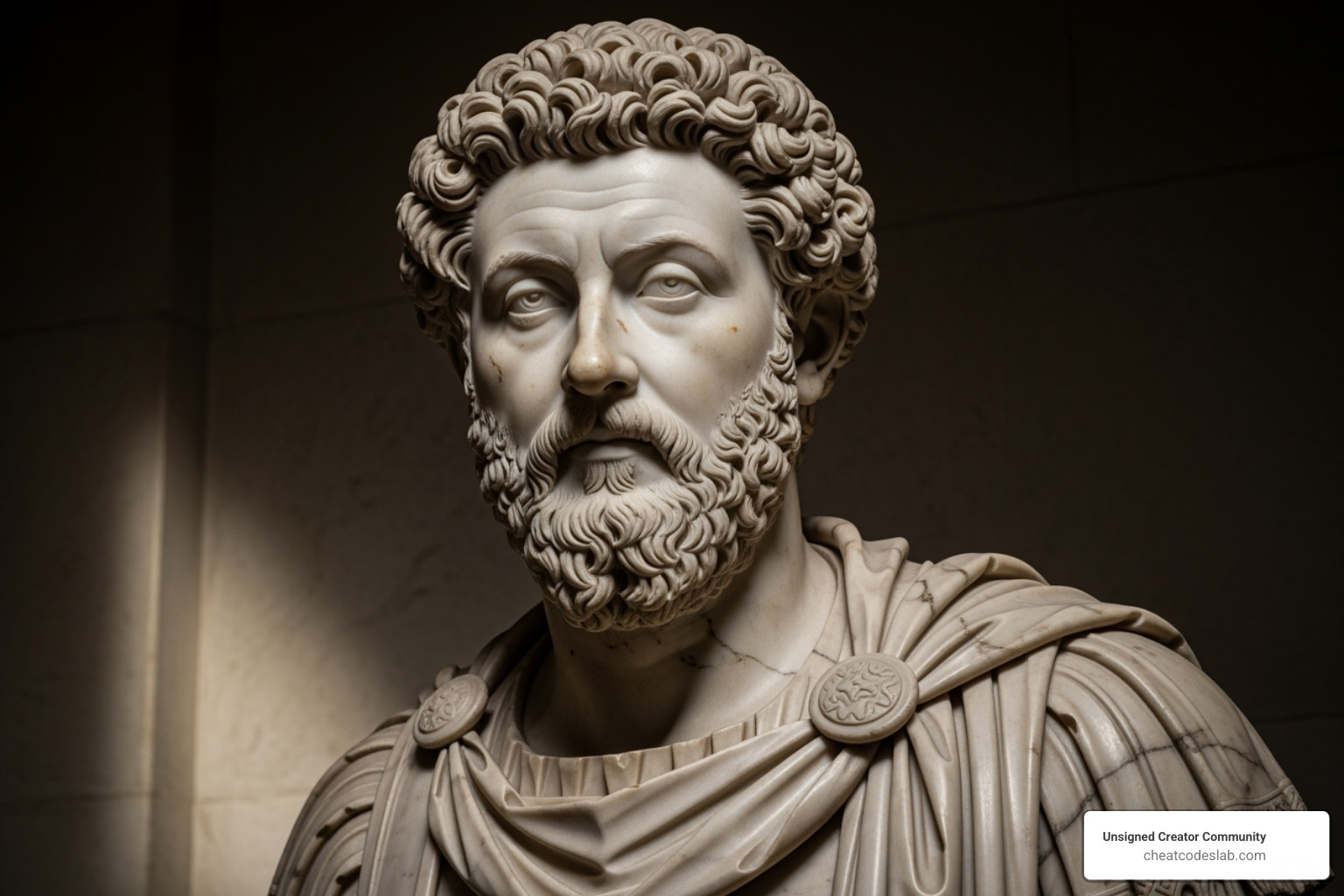
Seneca the Younger (4 BC-65 AD) was a wealthy statesman who advised Emperor Nero. His genius lay in offering practical advice for real-world challenges. His writings, like “Letters from a Stoic,” offer profound wisdom on managing grief, anger, and wealth.
Epictetus (55-135 AD), born a slave, became one of history’s most respected teachers of inner freedom. His core message, captured by his student Arrian, was that true freedom comes from mastering what is within our control—our judgments and responses—while accepting what is not.
Marcus Aurelius (121-180 AD), as Roman Emperor, faced the ultimate test of Stoic philosophy. His private journal, now known as “Meditations,” is a timeless guide to self-discipline, duty, and humility, written while managing wars and plagues.
Other key figures include Cato the Younger (95-46 BC), who embodied Stoic integrity in his stand against Julius Caesar, inspiring later leaders like George Washington. Learn more at George Washington Stoicism. Musonius Rufus (25-90 AD), the “Roman Socrates,” focused on applying philosophy to everyday life and argued for equal education for women.
Key Stoic Works and Their Enduring Wisdom
While many ancient texts are lost, the surviving works offer a treasure trove of wisdom from the greatest minds on our list of stoics.

- “Meditations” by Marcus Aurelius: A raw and honest personal journal, it offers a guide to self-discipline and accepting fate from the perspective of a powerful ruler. Buy Meditations by Marcus Aurelius.
- “Letters from a Stoic” by Seneca: A collection of philosophical essays on coping with grief, managing anger, and pursuing happiness. Its accessible style makes it a great starting point. Buy Letters of a Stoic by Seneca.
- “Discourses” and “Enchiridion” by Epictetus: These works focus relentlessly on the dichotomy of control—distinguishing what’s in our power from what isn’t—to achieve inner freedom.
- “On the Shortness of Life” by Seneca: A potent wake-up call arguing that we make life short by wasting time. It’s a powerful argument for living with purpose in the present moment.
- “Lectures and Fragments” by Musonius Rufus: Practical, no-nonsense advice on everything from marriage to diet, challenging conventional wisdom with refreshing directness.
Stoicism’s Enduring Legacy and Modern Application
The beauty of Stoicism lies in its remarkable staying power. While many ancient philosophies have faded into academic obscurity, Stoicism has experienced a dramatic renaissance in our modern world. This isn’t just coincidence – it’s a testament to the practical wisdom embedded in the teachings of our list of stoics.
The Modern Revival: A list of stoics influencing today’s culture
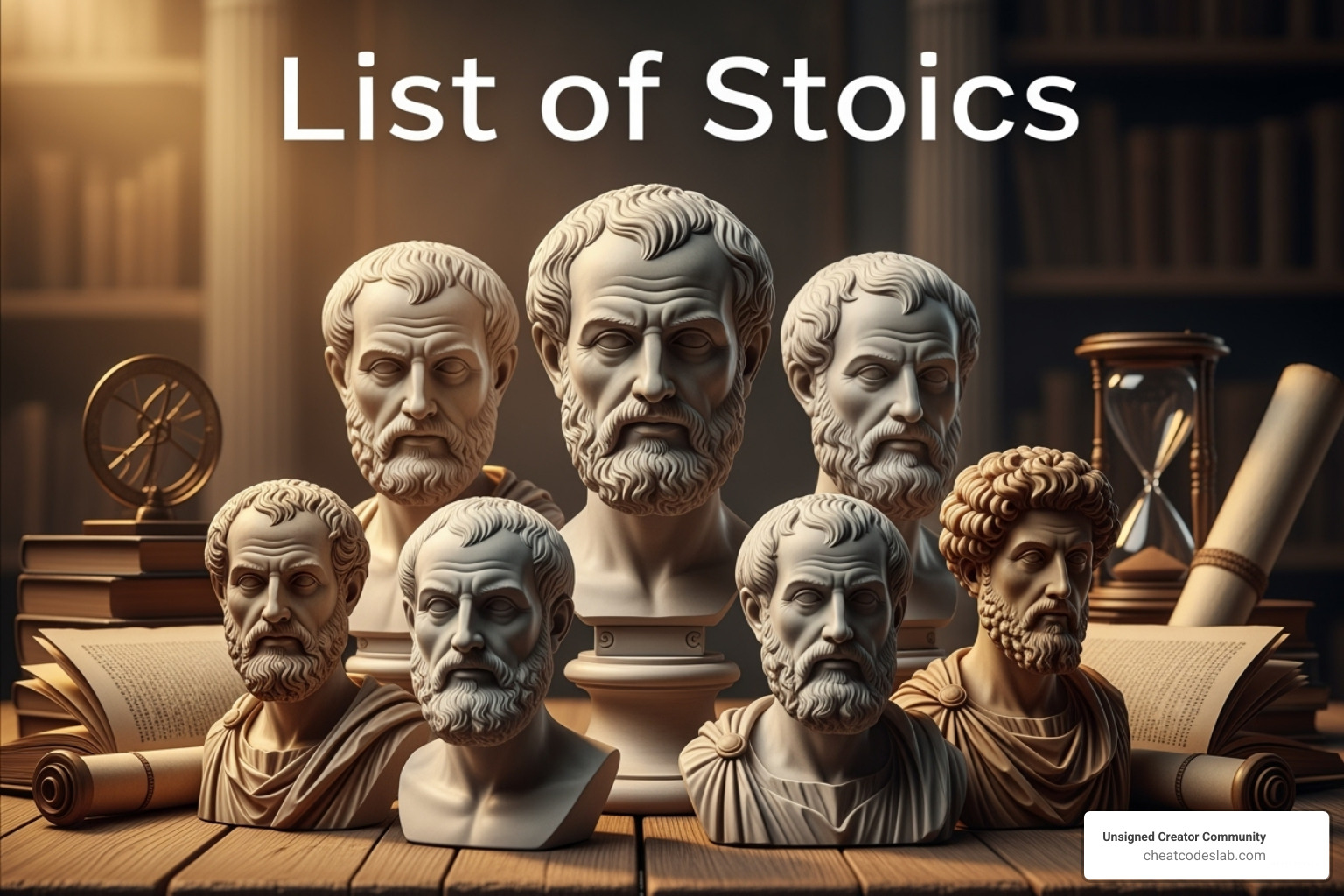
A new generation of writers has translated this ancient wisdom for contemporary challenges.
- Ryan Holiday has introduced millions to Stoicism through bestsellers like “The Obstacle Is the Way,” applying its principles to modern struggles.
- Donald Robertson, a cognitive behavioral therapist, demonstrates the profound links between Stoic practices and modern psychology in books like “How to Think Like a Roman Emperor.”
- William B. Irvine’s “A Guide to the Good Life” makes Stoic techniques for achieving joy and tranquility accessible to a wide audience.
Stoicism’s influence is most evident in Cognitive Behavioral Therapy (CBT). The core Stoic idea—that our judgments about events, not the events themselves, upset us—is a foundational principle of CBT. You can find more about these contemporary figures at Famous Modern-Day Stoics.
Practical Stoicism: Applying Ancient Wisdom to Modern Life
The real magic of Stoicism isn’t in its theoretical framework – it’s in how practical and immediately applicable its teachings are. The philosophers on our list of stoics weren’t just thinking deep thoughts; they were developing tools that work in real life.
- The Dichotomy of Control: Distinguish between what you can control (your thoughts, reactions, choices) and what you cannot (other people’s actions, natural disasters, traffic jams). This shift in focus dramatically reduces stress and increases our sense of personal power.
- Negative Visualization (premeditatio malorum): Occasionally imagining the loss of things we value – our health, relationships, or possessions – we develop deeper appreciation for what we currently have. This practice also builds emotional resilience.
- Memento Mori (Remember Death): Contemplating our mortality helps us prioritize what truly matters. It’s a powerful antidote to procrastination and a catalyst for authentic living.
- Journaling: Inspired by Marcus Aurelius’s personal reflections, this practice involves examining our judgments and reflecting on how to respond more wisely to life’s challenges.
While some criticize Stoicism for promoting emotional suppression, this is a misunderstanding. The goal is not apathy (lack of feeling) but ataraxia (tranquility), achieved by responding to feelings with wisdom rather than being controlled by them. Explore more at The Stoic Way of Life.
Conclusion: How This List of Stoics Can Guide You
The journey through our list of stoics—from Zeno’s accidental finding of philosophy to Marcus Aurelius wrestling with the burdens of empire—reveals universal truths about human flourishing. These thinkers provide a practical roadmap for living a more virtuous and fulfilling life.
By practicing the dichotomy of control, we reduce anxiety. Through negative visualization, we cultivate gratitude. The timeless wisdom of the Stoics helps us steer modern challenges like career uncertainty and digital distraction. They found something fundamental about human nature that transcends cultural and technological changes.
At CheatCodesLab, we recognize that just as these ancient philosophers provided “cheat codes” for living well, we specialize in providing certified AI tools and cheat codes for content marketing and SEO. Our mission is to empower creators with top-tier solutions, much like Stoicism empowers individuals with wisdom and resilience.
The wisdom on our list of stoics is a living philosophy. Whether you’re facing professional challenges or simply seeking a more meaningful way to live, these ancient teachers offer guidance that has stood the test of time.
Explore more about Stoicism and find how these timeless principles can improve your own journey toward wisdom, resilience, and authentic fulfillment.


About the author


The Best Social Media Marketing Agencies in the World
Discover the best social media marketing agencies in the world for enterprise brands and niche industries in 2026.

Why Instagram Caption Ideas Are My Favorite
Unlock instagram caption ideas that boost engagement, spark connection, and help your posts perform better on Instagram.

How to Edit a Posted Instagram Carousel in 5 Steps
Learn how to add photo to Instagram carousel after posting with our 5-step editing workflow and post-publishing hacks.

Ultimate Guide to Find Unfollowers on Instagram
Learn how to find unfollowers instagram safely with official data exports and local tools that protect your account from bans.

The Complete Guide to BrightLocal Local SEO
Master BrightLocal local seo with rank tracking, citation management, and review tools to boost visibility in 2026.

Beginner’s Guide to Insta Followers Pro Unlimited Coin
Discover how Insta Followers Pro Unlimited Coin works, its risks, and safe organic alternatives for real Instagram growth.
Related

Get Your Feed Right with These Black Owned Social Media Companies
Discover top black owned social media agency options for 2026. Boost ROI, engagement & authentic storytelling with Clutch-rated leaders like Verbatim.
Stoicism Meets Jungian Psychology: A Powerful Pairing for Mental Fortitude
Unlock mental fortitude & self-understanding with carl jung stoicism. Integrate ancient wisdom and modern psychology for resilience.

Stoic Explained: More Than Just a Stiff Upper Lip
Want to define stoic? Uncover ancient Stoic philosophy, core principles, and practical wisdom for emotional resilience today.

Where to Find The Daily Stoic at Fully Booked Stores
Find The Daily Stoic even if it's daily stoic fully booked. Discover why this bestseller is so popular & where to get your copy now!

Beginner’s Guide to Understanding Stoicism Basics
Unlock Stoicism's wisdom: master emotions, build resilience, and live virtuously. Your beginner's guide to a practical philosophy.

The Ancient Roots: How Stoicism Shaped Early Christianity
Explore stoicism in early christianity: uncover shared virtues, key differences, and its lasting historical influence.