

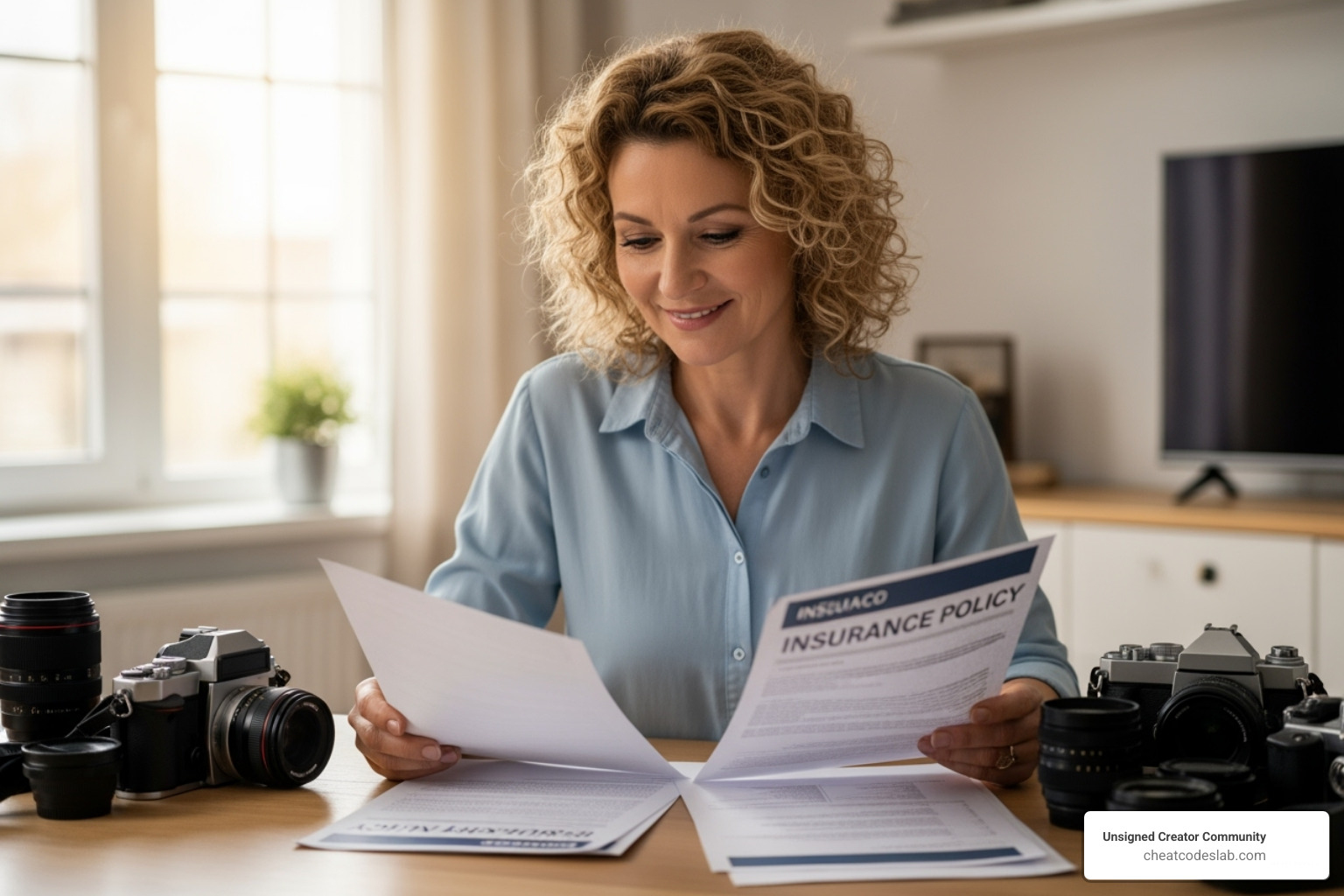

Best travel insurance for camera gear 2025: Secure
Why Your Camera Gear Needs Specialized Insurance for Travel
How to Choose the Best Travel Insurance for Camera Gear
Choosing the best travel insurance for camera gear doesn’t have to give you a headache. Think of it like selecting the perfect lens for a shoot – you need to understand your specific needs first. Are you a weekend warrior capturing family memories, or a professional photographer whose livelihood depends on your equipment? The right policy should feel like a natural extension of your photography toolkit, not a confusing maze of fine print.
The key is finding that sweet spot between comprehensive coverage and practical affordability. You want protection that actually works when disaster strikes, not just looks good on paper. Let’s walk through what really matters when you’re comparing policies.
Key Policy Features to Compare
When you’re shopping around, there are some non-negotiable features that separate the good policies from the great ones. Think of these as your insurance checklist – each one plays a crucial role in protecting your investment.
Coverage limits are where most photographers get tripped up. There are actually two numbers you need to pay attention to. The per-item cap is the maximum amount they’ll pay for any single piece of equipment. If your $4,000 camera body gets stolen and your per-item cap is only $2,000, you’re stuck covering the difference. The aggregate limit is the total maximum they’ll pay out during your entire policy period. Even if your individual items are covered, hitting this overall ceiling can leave you underinsured if multiple pieces get damaged or stolen.
Here’s where it gets interesting: scheduled versus unscheduled equipment coverage. Scheduled equipment means you create a detailed list of your most valuable gear – your camera body, expensive lenses, that drone you saved up for. You’ll need to provide serial numbers, receipts, and replacement costs. This gives you the highest level of protection for your big-ticket items. Unscheduled equipment covers all your smaller accessories collectively – filters, memory cards, battery packs, and other gear that doesn’t warrant individual scheduling.
Deductibles work just like car insurance. A lower deductible means less money out of your pocket when you file a claim, but you’ll pay higher premiums. A higher deductible can save you money monthly, but you’ll need to cover more costs upfront if something happens. Consider what you can realistically afford in an emergency situation.
The difference between replacement cost and actual cash value can make or break your coverage. Replacement cost value gives you enough money to buy a brand-new equivalent of your damaged or stolen gear. Actual cash value factors in depreciation, so that three-year-old lens might only be worth half its original price. For expensive, constantly evolving camera equipment, replacement cost coverage is absolutely worth the extra premium.
Worldwide coverage should be standard for any travel policy, but always double-check. Some policies have sneaky limitations like “up to 60 days outside your home country” or exclude certain regions entirely. Make sure your coverage travels as far as your photography trips take you.
Policy exclusions are where insurance companies protect themselves, and where you need to read carefully. Common exclusions include leaving your gear unattended in public places, normal wear and tear, purely cosmetic damage, and certain high-risk activities. Some policies won’t cover you in politically unstable regions or war zones.
More info about the best camera lens filters.
Finding the best travel insurance for camera gear as a Professional
If photography is more than just a hobby for you, your insurance needs become significantly more complex. Professional photographers face unique risks that standard travel insurance simply wasn’t designed to handle. Even if you’re just starting to earn money from your craft, you need to think like a business owner.
General liability insurance protects you when your photography activities accidentally cause harm to others. Picture this: you’re setting up for a portrait session when your light stand tips over and injures a passerby. Or maybe you’re photographing a wedding and accidentally damage expensive venue property. General liability coverage handles these scenarios, covering legal costs and any damages you’re found responsible for.
Professional liability insurance, also called errors and omissions coverage, protects you from claims related to your actual photography work. Memory card failures, missed shots, client dissatisfaction, or accusations of copyright infringement can all lead to expensive lawsuits. This coverage helps protect your business when clients aren’t happy with your services or when technical failures beyond your control cause problems.
Business use coverage is crucial because most homeowners policies exclude equipment used for commercial purposes. If you earn any money from your photography – even just selling a few prints or doing occasional portrait sessions – your personal insurance might not cover your gear. Professional photography insurance explicitly includes coverage for equipment used in your business activities.
Rented equipment coverage can save you significant money if you frequently rent specialized lenses, lighting equipment, or other gear for specific projects. Instead of purchasing expensive insurance from rental houses for each item, your policy can extend coverage to rented equipment. This is especially valuable for photographers who prefer renting expensive gear rather than buying it outright.
Professional photography associations can be goldmines for specialized insurance options. The Professional Photographers of America (PPA) offers members access to custom insurance packages designed specifically for photographers’ needs. These association-backed policies often include perks like unlimited travel coverage within North America, substantial international travel protection, and the ability to add unlimited additional insureds to your policy.
More info about camera equipment for real estate photography.
The Claims Process: What to Do When Disaster Strikes

Nobody wants to think about filing a claim, but knowing the process beforehand can turn a stressful situation into a manageable one. The key is acting quickly and documenting everything thoroughly. Think of it as photojournalism – you need to capture the complete story of what happened.
Immediate action is crucial when disaster strikes. If your gear is stolen, file a police report with local authorities immediately, even if you’re in a foreign country. Get a copy of that report because your insurance company will almost certainly require it. For damage or loss during travel, document the scene with photos and report it to relevant authorities like airlines or hotels right away.
Contact your insurer as soon as possible, ideally while you’re still traveling. Most reputable companies have 24/7 claims hotlines or online portals where you can start the process immediately. Don’t wait until you get home – early reporting can significantly speed up your claim.
Documentation is where your preparation pays off. You’ll need proof of ownership like receipts, serial numbers for all your equipment, and photos showing your gear’s condition before the incident. If you’ve been keeping digital records in cloud storage, this process becomes much smoother. For theft claims, you’ll need that police report. For damage claims, get quotes for repairs or replacement costs.
Follow instructions from your insurer carefully. Fill out all forms completely and accurately. Be prepared to answer detailed questions about the incident and your equipment. Many modern insurers offer streamlined online claims processes that let you upload documents and track your claim’s progress.
Be patient but persistent throughout the process. Claims take time to investigate, but stay in regular communication with your insurer. If your claim gets denied, don’t give up immediately. Review your policy carefully, understand the denial reason, and follow your insurer’s appeals process. If you still believe you’ve been treated unfairly, you can contact your state’s insurance commissioner for assistance.
Contacting your state insurance commissioner.
Proactive Steps to Protect Your Gear on the Go
Even with the best travel insurance for camera gear, prevention beats filing claims every time. Smart protective measures can save you from the hassle of dealing with insurance companies and keep your photography trips running smoothly.
Carry-on packing is your first line of defense. Keep your most valuable camera bodies, lenses, and electronics with you in the cabin whenever possible. Checked baggage gets thrown around, lost, and stolen far more frequently than carry-on items. For bulkier items like tripods that must be checked, invest in a robust, heavily padded case that can withstand rough handling.
Discreet camera bags make you less of a target. Those obvious camera bags with brand logos might as well have “expensive equipment inside” written on them. Choose a regular-looking backpack or messenger bag that doesn’t advertise its contents. Many excellent options offer superior protection while blending in with everyday luggage.
Anti-theft features like lockable zippers, hidden pockets, and slash-resistant materials can deter opportunistic thieves. While not foolproof, these features make your gear a less attractive target and buy you precious time if someone does try to steal from you.
Hotel safes are perfect for storing smaller valuable items when you’re not shooting. Camera bodies, primary lenses, and memory cards usually fit in standard hotel room safes. If the safe is too small, ask about the hotel’s main safe at the front desk.
Keep gear visible and preferably on your person when you’re out shooting. Use wrist or neck straps to prevent accidental drops and make it harder for thieves to grab your camera. Be especially vigilant in crowded tourist areas, public transportation, and busy markets.
Document everything before you travel. Create a detailed inventory with make, model, and serial numbers for each piece of equipment. Take photos of your gear from multiple angles, including any unique markings or wear patterns. Store digital copies of all receipts in cloud storage. This documentation becomes invaluable if you ever need to file a claim.
These protective habits should become second nature, like checking your camera settings before an important shot. They’re not just about protecting your equipment – they’re about preserving your peace of mind so you can focus on what you love most: creating amazing photographs.
More info about the best camera bag for a travel photographer; More info about the best photography backpack for traveling.
Final Checklist for Protecting Your Photography Investment

Wow, we’ve covered a lot of ground, haven’t we? From understanding why regular insurance just doesn’t cut it to diving deep into what specialized policies actually cover. The big takeaway is clear: your camera gear is a huge investment, both financially and emotionally. It truly deserves special protection, especially when you’re off exploring the world.
Making the smart choice to get the best travel insurance for camera gear is more than just a good idea. It’s a key step that lets you travel and create with real confidence. You’re not just buying a policy; you’re buying peace of mind.
Your Quick-Reference Insurance Checklist
To make sure you pick the right coverage and keep your photography investment safe and sound, here’s a handy checklist. Think of this as your final mission briefing before you start on your next trip!
- Figure Out Your Gear’s Real Worth: Take a moment to list everything you own – every camera body, lens, drone, light, and accessory. Add up what it would cost to buy them all brand new today. This total amount will be your guide for how much coverage you truly need.
- Double-Check Your Current Policies: Don’t just assume! Look closely at your homeowners, renters, or even your credit card’s travel insurance. Find out what their limits are for electronics, how much they pay per item, and if they have exclusions for gear you use professionally. Often, these policies offer very little protection for your valuable camera equipment, especially when it’s out of your home.
- Get Quotes from Specialized Insurers: Reach out to a few different companies that focus on camera or professional photography insurance. Make sure they clearly cover travel and the specific risks your gear faces, like accidental drops or theft. Comparing options helps you find the perfect fit.
- Understand Coverage Limits and Deductibles: Check that the maximum amount they’ll pay for each item (per-item cap) and for all items combined (aggregate limit) is enough to replace your most expensive gear. Also, pick a deductible – that’s the amount you pay out-of-pocket before the insurance kicks in – that you’re comfortable with.
- Confirm Worldwide Coverage: For any travel photographer, this is a must-have! Make sure the policy covers you in all the countries you plan to visit. Check for any tricky limits on how long you can be away or any specific regions they don’t cover.
- Know the Claims Process Inside Out: Before you even leave, understand what you’ll need if something goes wrong. This includes keeping track of receipts, serial numbers, and knowing you might need a police report for theft. Knowing these steps beforehand makes filing a claim much smoother, even if you’re far from home.
- Pack Smart and Securely: Prevention is always best! Always try to carry your most valuable camera bodies and lenses in your carry-on luggage. Use bags that don’t scream “expensive camera inside!” And when you’re at your hotel, use the safe for smaller, valuable items. These simple steps can dramatically reduce the chance of needing to file a claim in the first place.
Your Next Steps as a Protected Creator
Protecting your gear isn’t just about money; it’s about giving yourself the freedom to truly create without a constant knot of worry in your stomach. When you know your precious equipment is safe, you can completely dive into your creative flow. You can chase those once-in-a-lifetime shots and truly soak up every moment of your travels.
Here at Unsigned Creator Community (CheatCodesLab), we’re all about empowering creators like you with the best resources. Just like we offer top-notch AI tools and ‘cheat codes’ for your content marketing and SEO, we’re passionate about helping you protect your physical gear too. Having the best travel insurance for camera gear is a super important step for building a strong and successful creative career.
So, now you’re armed with all this knowledge. It’s time to take action and secure your valuable gear. Go travel bravely, create fearlessly, and enjoy knowing that your passion is perfectly protected.

About the author

How to Archive Posts on Instagram in 4 Easy Steps
Master archiving on Instagram in 4 easy steps to organize your profile and protect your content.

Beginner’s Guide to 10k free instagram followers app
Discover how a 10k free instagram followers app works, its risks, and safe organic growth strategies for real engagement in 2026.
Beginner’s Guide to Best Instagram Report App
Discover the best Instagram report app for real-time analytics, automated reports, and data-driven decisions in 2026.
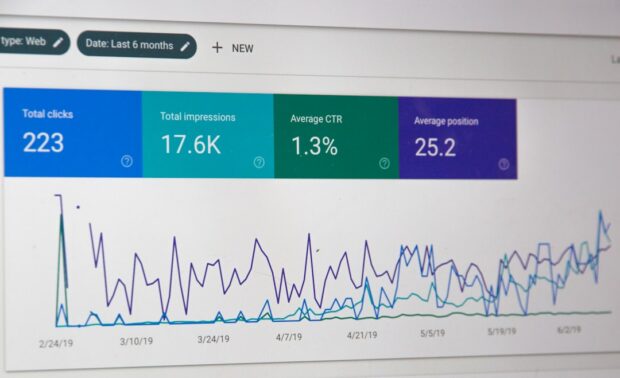
How to Master Advanced SEO Search Techniques in 7 Steps
Master advanced search techniques in SEO with 7 proven steps to boost rankings, technical audits, and organic traffic.
Cheat Sheet to the Best Business Apps
Discover the best business apps to streamline operations, boost productivity, and scale your business in 2026.

How to Get Instagram Followers Free APK in 5 Steps
Discover how instagram followers free apk 2026 download works and learn safe organic growth strategies instead of risky third-party tools.
Related
How to Archive Posts on Instagram in 4 Easy Steps
Master archiving on Instagram in 4 easy steps to organize your profile and protect your content.

Beginner’s Guide to Best Search Engine Optimization SEO
Master best search engine optimization SEO with this beginner's guide covering on-page, technical, and AI strategies for higher rankings.

Ultimate Checklist for Social Media Marketing Agency
Discover the ultimate checklist for choosing a social media marketing agency that drives real ROI and growth.

Hot Summer Caption Ideas That Spark Engagement
Discover hot summer caption ideas that boost engagement, from short aesthetic lines to funny unhinged vibes and beach photo dumps.

How to Add Text to Instagram Story in 5 Easy Steps
Learn how to add text to Instagram Story in 5 easy steps with our native tips and creative text hacks for better engagement.

How to Add Audio to Instagram Story the Right Way
Learn how to add audio clip in Instagram Story using built-in music or your own file with this step-by-step guide.