
The Ultimate Guide to Brand Creation for Newbies
What Is Brand Creation (And Why It Matters More Than You Think)
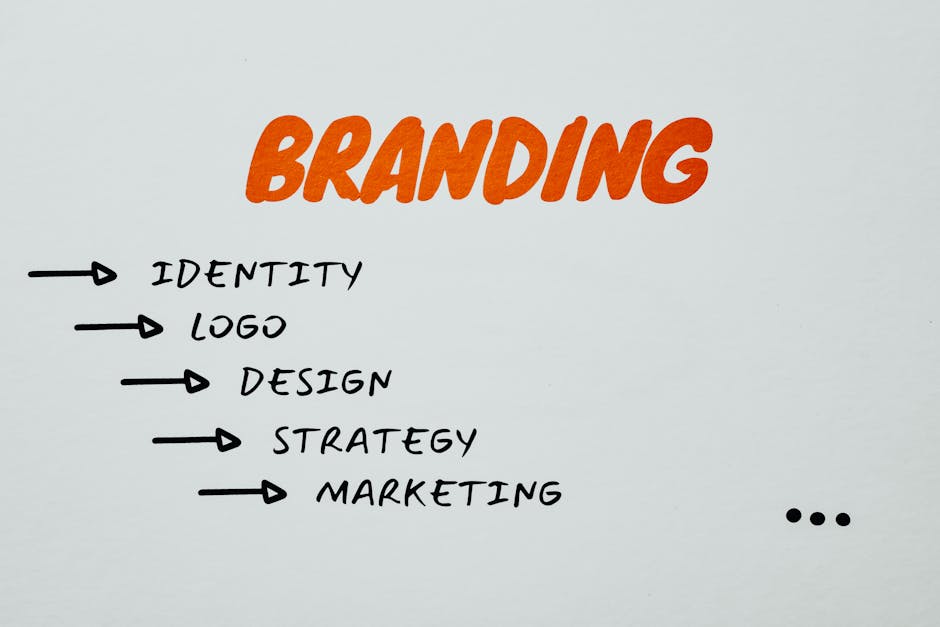
Brand creation is the process of building a complete identity for your business — from your name, logo, and colors to the feelings and reputation your audience associates with you.
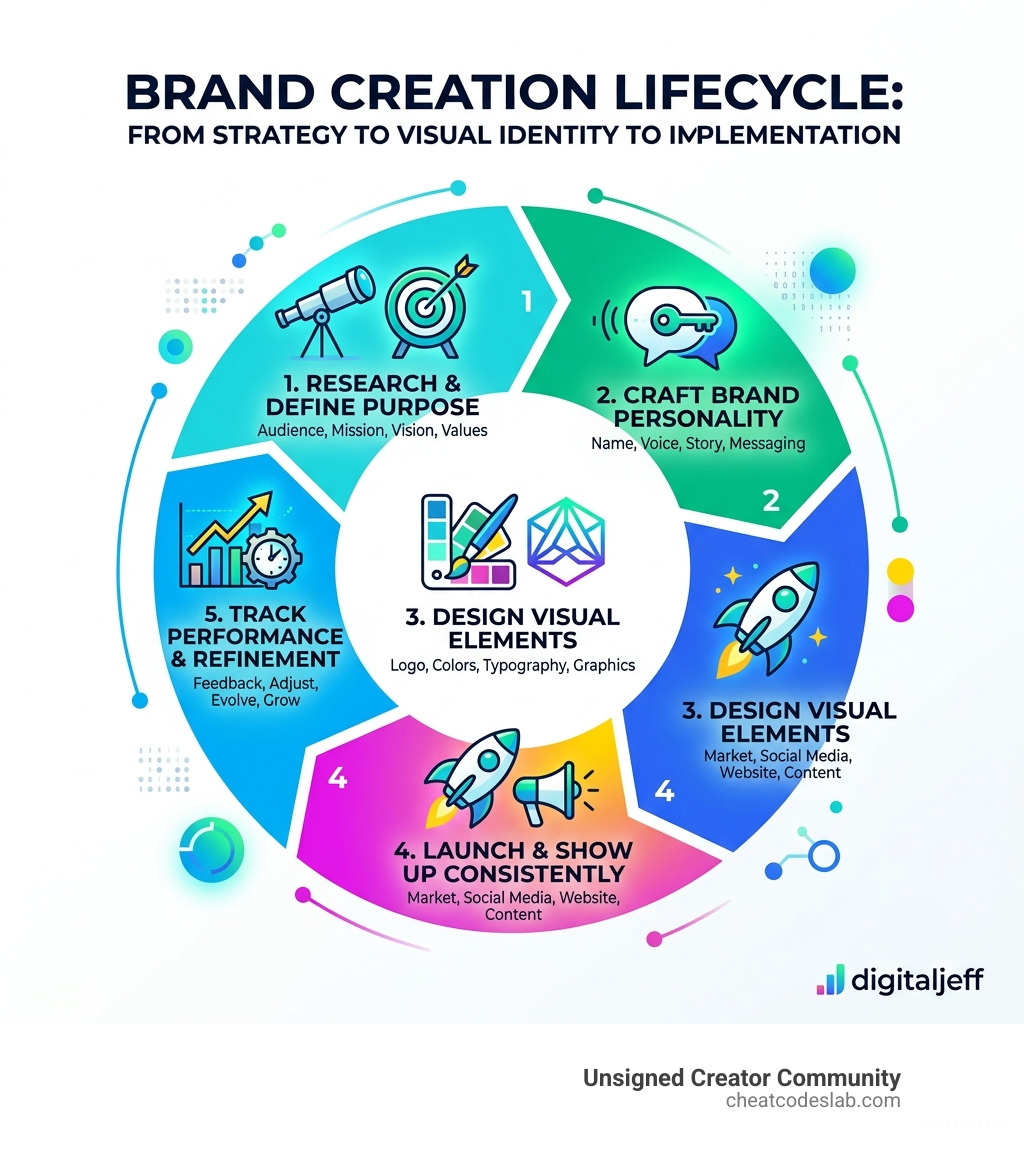
Here’s a quick breakdown of what brand creation actually involves:
- Define your purpose — your mission, vision, and core values
- Know your audience — research who you’re building for
- Craft your identity — name, voice, personality, and story
- Design your visuals — logo, colors, and typography
- Show up consistently — across every platform and touchpoint
- Measure and evolve — track what’s working and adjust
A brand is not just a logo or a catchy name. It’s the gut feeling someone has about your business the moment they encounter it. Think about Apple, Nike, or McDonald’s — you don’t just recognize them, you feel something. That’s the power of intentional brand creation at work.
According to Interbrand’s 2023 rankings, the world’s top five most valuable brands — Apple, Microsoft, Amazon, Google, and Samsung — didn’t get there by accident. Microsoft alone grew its brand value by 14% in a single year. Strong branding builds equity, drives loyalty, and ultimately impacts your bottom line in a real, measurable way.
And it’s not just for the big players. A supplement startup called Truvani launched in 2018 and grew 407% over five years — largely by committing to a clear brand identity built around sustainability and organic ingredients. That kind of growth doesn’t happen without a solid brand foundation.
Whether you’re launching something new or trying to sharpen what you’ve already built, this guide walks you through every step of the brand creation process — from strategy to visuals to measuring success.
I’m digitaljeff — a tech entrepreneur and content strategist who has spent over 20 years building and scaling brands across digital media, film, and social platforms. My experience in brand creation spans everything from bootstrapped startups to global partnerships, giving me a front-row seat to what actually works. Let’s get into it.
Brand creation definitions:
The Strategic Foundation of Brand Creation
Before we ever pick up a stylus to draw a logo, we have to build the “soul” of the business. Jumping straight into colors and fonts without a strategy is like building a house without a blueprint — it might look okay for a minute, but it won’t stand up to the wind. In brand creation, strategy is the documented logic that explains why you exist, who you are for, and how you plan to win.
The Pillars of Your Brand Strategy
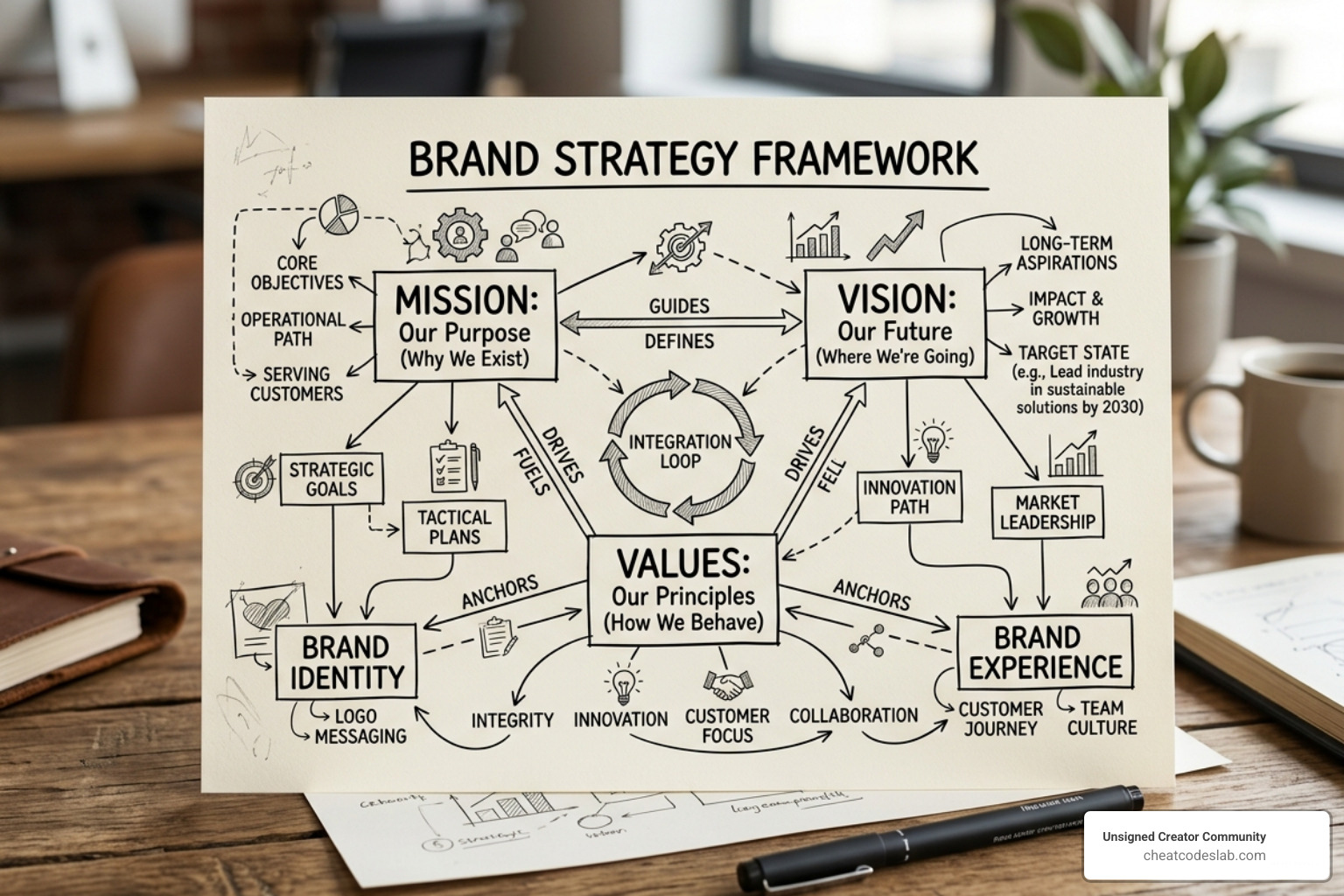
To create a brand that lasts, we need to define four core elements:
- Mission Statement: This is your “Why.” It explains the purpose of your company today. A great mission statement is timeless, honest, and acts as a North Star for every decision you make.
- Vision: This is your “Where.” Where do you want to be in five or ten years? What change do you want to create in the world?
- Core Values: These are the 3-5 non-negotiable beliefs that guide how your brand behaves. Are you adventurous? Reliable? Provocative? Values shouldn’t just be words on a wall; they should be observable behaviors.
- Brand Promise: This is the specific value or experience you guarantee to every customer. For example, a pizza brand might promise “hot delivery in 30 minutes or it’s free.” It must be simple, meaningful, and realistic.
Defining Your Target Audience and USP
We can’t be all things to all people. In fact, trying to appeal to everyone is the fastest way to appeal to no one. Effective brand creation requires us to get uncomfortably specific about who we serve.
We do this by creating buyer personas. These aren’t just lists of demographics like age or location. We need to dive into psychographics — what are their pain points? What keeps them up at night? What are their motivations and daily habits? When we understand the “Jobs-to-Be-Done” for our audience, our branding becomes a magnet for the right people.
Once we know the audience, we define our Unique Selling Proposition (USP). This is the one thing that makes us different from the competition. “Quality service” is not a USP — that’s just the “table stakes” required to stay in business. A true USP is specific and verifiable.
For those looking to build themselves as the product, personal brand development follows many of these same rules but focuses on your unique human story.
| Feature | Unique Selling Proposition (USP) | Table Stakes (Standard) |
|---|---|---|
| Definition | What makes you truly different. | The bare minimum to compete. |
| Example | “Eco-friendly cleaning in 60 mins.” | “We provide good cleaning.” |
| Impact | Commands premium pricing. | Forces price wars. |
| Customer View | “Only they can do this for me.” | “They are just like the others.” |
Crafting Your Brand Voice and Personality
If your brand were a person, what would they be like? This is where we define brand personality. Many experts use brand archetypes (like the Hero, the Explorer, or the Sage) to give their brand a human feel.
- Brand Voice: This is your brand’s consistent personality. It doesn’t change. If you are “authoritative and trustworthy,” you should sound that way on your website and in your legal disclaimers.
- Tone of Voice: This is situational. You might be “energetic” on social media but “empathetic” when answering a customer support ticket. The personality stays the same, but the tone adjusts to the room.
- Brand Story: Every great brand has a narrative arc. Use the classic formula: A hero (your customer) has a conflict, meets a guide (your brand), who gives them a plan and calls them to action, resulting in a climax (success) and resolution.
For inspiration on how this looks in the real world, check out these brand personality examples.
Naming and Slogans in Brand Creation
Choosing a name is one of the most stressful parts of brand creation. Most top brand names are short (one or two words) or abbreviations for easy memorability. When brainstorming, we look for:
- Simplicity: Is it easy to spell and pronounce?
- Availability: Can we get the domain name and social handles?
- Scalability: Does the name allow us to grow into new product categories later?
- Global Appeal: Does it mean something embarrassing in another language?
Don’t forget the trademark search. Legally protecting your brand is vital; you don’t want to receive a cease-and-desist letter six months after your launch. Once the name is set, we craft a slogan or tagline. A great slogan is a concise, memorable “hook” that summarizes your brand’s essence. Think of it as the ultimate elevator pitch.
Bringing Your Brand to Life and Measuring Success
Now that the strategy is in place, it’s time to get visual. This is the part of brand creation where we translate abstract values into tangible assets.
Visual Identity and the Brand Manual
Your visual identity is the first thing people see. It includes:
- Logo Design: Your logo should be simple, memorable, and versatile. It needs to look just as good on a tiny favicon as it does on a massive billboard. We usually recommend having a “combination mark” (text plus an icon) for maximum flexibility.
- Color Psychology: Colors trigger emotions. Red can evoke urgency or passion (think Netflix), while blue conveys trust and professionalism (think Chase Bank). We suggest a palette of 3-5 colors: a primary, a secondary, and an accent.
- Typography: Limit yourself to two fonts — one for headlines and one for body text. Prioritize legibility above all else, especially for digital platforms.
All of these rules are documented in a brand manual or style guide. This is your brand’s “bible.” It ensures that whether a freelancer in London or an employee in New York is creating a graphic, it always looks like it came from the same company.
Leveraging AI Tools for Visual Brand Creation
We live in an era where you don’t need a $50,000 budget to look professional. AI-powered tools have revolutionized brand creation for startups and creators. Platforms like Looka or Brandmark allow you to generate hundreds of custom logo mockups instantly.
These tools don’t just give you a “pretty picture.” They provide complete brand kits, including:
- Vector Formats: Scalable files (SVG, EPS) that don’t get blurry when resized.
- Automated Templates: Ready-to-use designs for business cards, social media headers, and email signatures.
- Design Assets: Pre-selected fonts and color hex codes that match your logo perfectly.
Using AI can reduce the cost of a professional brand package from thousands of dollars to under $100, saving you 90% of the traditional agency cost while still providing high-quality results.
Implementation Across Digital Touchpoints
A brand only exists if people see it. Brand implementation is the process of rolling out your identity across every channel.
- Content Marketing: Your blog posts, videos, and newsletters should all use your brand voice and visual style. This builds brand awareness and positions you as an authority in your niche.
- Social Media: Each platform has different “rules” (YouTube Shorts vs. TikTok), but your brand should be recognizable across all of them. Consistency is the connective tissue of your business.
- Digital Presence: Your website is your brand’s home. It must be mobile-friendly, SEO-optimized, and fast.
For those navigating the social landscape, these social media branding tips are essential, as is understanding how to build personal brand awareness to stand out in a noisy feed.
Tracking KPIs and Avoiding Common Pitfalls
How do you know if your brand creation efforts are actually working? We track Key Performance Indicators (KPIs) to measure success:
- Brand Awareness: Are people searching for your brand name?
- Engagement Metrics: Are people liking, sharing, and commenting on your content?
- Net Promoter Score (NPS): How likely are your customers to recommend you to a friend?
- Brand Equity: Can you charge a premium price compared to generic alternatives?
Common Pitfalls to Avoid:
- Inconsistency: Changing your logo or voice every month confuses your audience and erodes trust.
- DIY Everything: While AI tools are great, sometimes you need a human expert to ensure your strategy is sound.
- Ignoring Maintenance: A brand is a living thing. You should conduct a brand audit at least once a year to ensure you’re still aligned with your audience’s needs.
If you find that your current branding is no longer working or your business has pivoted, you might consider rebranding. This is a major strategic shift and should be handled with care to avoid alienating your existing loyal customers.
At CheatCodesLab, we specialize in providing certified AI tools and “cheat codes” for content marketing and SEO. We know that the right tools can simplify the complex process of brand creation, allowing you to focus on what you do best: creating.
Whether you are looking for personal branding for freelancers or general personal branding advice, the secret sauce is always the same: be intentional, be consistent, and be true to your promise.
Ready to turn your idea into a household name? Start with your strategy, build your visuals with the help of modern tools, and show up every day with a consistent voice. Your brand is your reputation — make sure it’s a great one.


About the author

How to Archive Posts on Instagram in 4 Easy Steps
Master archiving on Instagram in 4 easy steps to organize your profile and protect your content.

Beginner’s Guide to 10k free instagram followers app
Discover how a 10k free instagram followers app works, its risks, and safe organic growth strategies for real engagement in 2026.
Beginner’s Guide to Best Instagram Report App
Discover the best Instagram report app for real-time analytics, automated reports, and data-driven decisions in 2026.
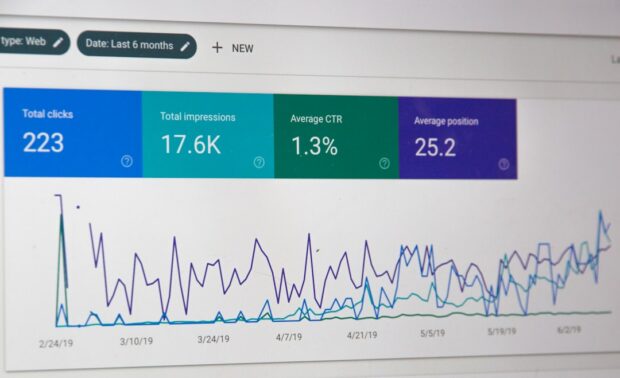
How to Master Advanced SEO Search Techniques in 7 Steps
Master advanced search techniques in SEO with 7 proven steps to boost rankings, technical audits, and organic traffic.
Cheat Sheet to the Best Business Apps
Discover the best business apps to streamline operations, boost productivity, and scale your business in 2026.

How to Get Instagram Followers Free APK in 5 Steps
Discover how instagram followers free apk 2026 download works and learn safe organic growth strategies instead of risky third-party tools.
Related
How to Archive Posts on Instagram in 4 Easy Steps
Master archiving on Instagram in 4 easy steps to organize your profile and protect your content.
Beginner’s Guide to Best Search Engine Optimization SEO
Master best search engine optimization SEO with this beginner's guide covering on-page, technical, and AI strategies for higher rankings.

Ultimate Checklist for Social Media Marketing Agency
Discover the ultimate checklist for choosing a social media marketing agency that drives real ROI and growth.

Hot Summer Caption Ideas That Spark Engagement
Discover hot summer caption ideas that boost engagement, from short aesthetic lines to funny unhinged vibes and beach photo dumps.

How to Add Text to Instagram Story in 5 Easy Steps
Learn how to add text to Instagram Story in 5 easy steps with our native tips and creative text hacks for better engagement.

How to Add Audio to Instagram Story the Right Way
Learn how to add audio clip in Instagram Story using built-in music or your own file with this step-by-step guide.