



Best camera for events: Ultimate Picks 2025
Why the Right Event Photography Camera Can Save Your Best Shots
Choosing the best camera for events means finding a reliable tool for capturing unpredictable, once-in-a-lifetime moments. From weddings to corporate conferences, your camera must handle challenging light, fast action, and long hours without fail. The stakes are high; a frozen camera during a first dance or an overheating unit mid-reception are real-world failures that highlight why reliability trumps megapixels.
Top Picks for Event Photography:
- Professional Grade: Nikon Z8, Sony A7R V, Canon EOS R6 Mark II – exceptional low-light performance, fast autofocus, dual card slots
- Budget-Friendly: Canon EOS R7, Sony A6700, Nikon Z fc – lightweight, reliable, great value for beginners
- Hybrid Shooters: Panasonic Lumix S5 II, Sony A7 IV – excellent for both stills and video coverage
Critical Features to Prioritize:
- Low-light capability (high ISO performance without noise)
- Fast, accurate autofocus (especially face/eye tracking)
- Dual card slots (redundancy for critical moments)
- Long battery life (for all-day events)
- In-body stabilization (sharp handheld shots when you’re tired)
I’m digitaljeff, and after two decades of documenting everything from brand launches to intimate weddings, I’ve learned which features truly matter when you’re capturing moments that will never happen again. This guide is built on that real-world experience, focusing on the gear that keeps shooting when everything else goes wrong.
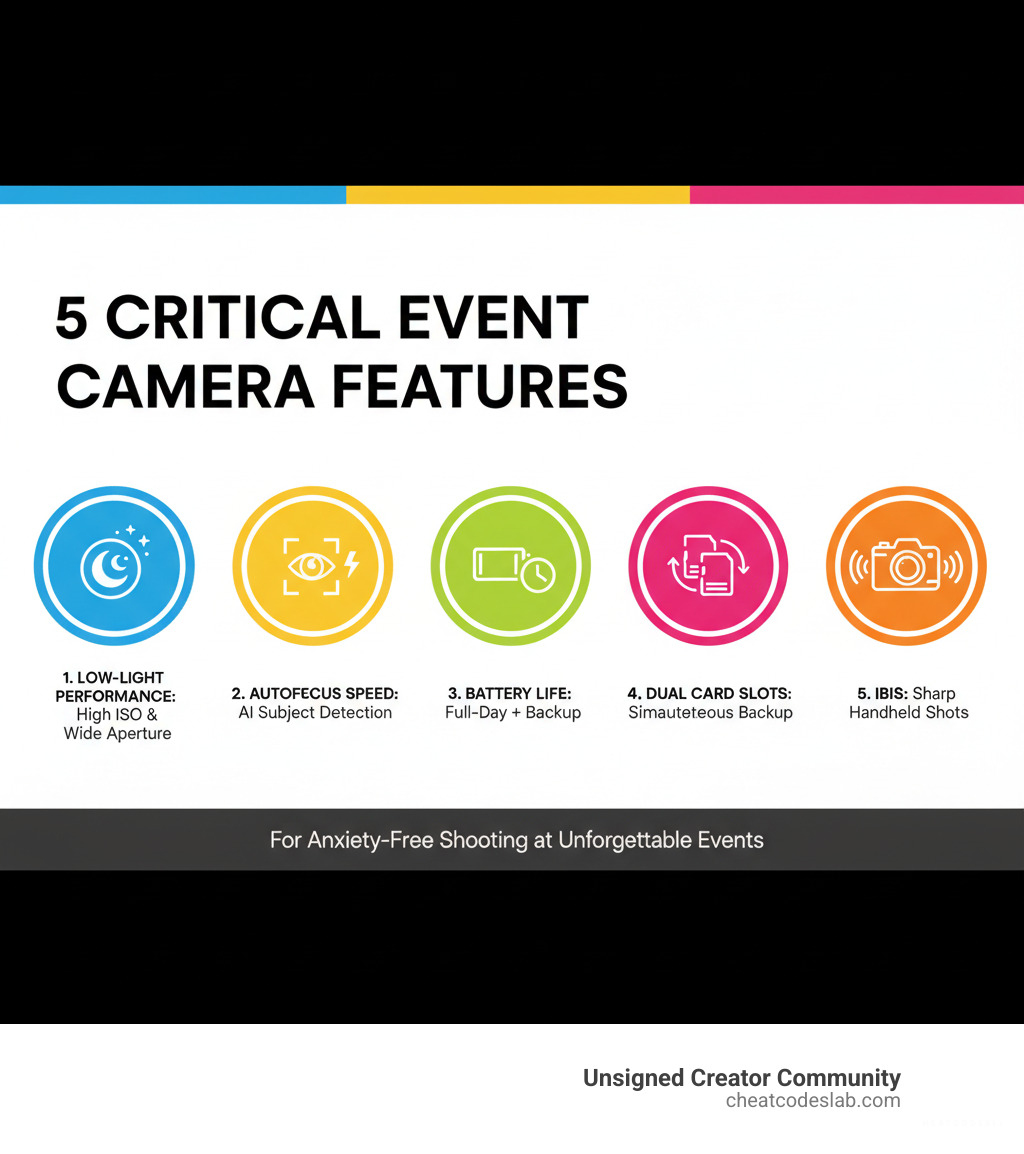
Basic Best camera for events vocab:
Key Features and Our Top Picks for the Best Camera for Events
Choosing the best camera for events is about finding a reliable partner for once-in-a-lifetime moments. After years of shooting everything from weddings to concerts, I’ve learned the best cameras aren’t always the most expensive; they’re the ones that balance performance, reliability, and usability when the pressure is on.

Essential Features That Make or Break Event Photography
The difference between nailing a shot and missing it comes down to a few critical features that save your reputation when things go wrong.
- Low-light capability: Most events happen in dim reception halls or have dramatic stage lighting. A camera with excellent high ISO performance (especially a full-frame sensor) paired with a fast lens (f/2.8 or wider) is essential for clean images without excessive noise. This combination also helps create beautiful background blur, making your subjects pop.
- Autofocus speed and accuracy: In event photography, there are no second takes. Modern mirrorless cameras with AI-based subject and eye-tracking AF are game-changers, locking onto faces in a crowd and keeping them sharp even when they’re moving.
- Battery longevity & Dual card slots: Events are long, so always carry spare batteries. Dual card slots are non-negotiable for professionals, providing an instant backup of every shot. This “anxiety insurance” protects you from card failure during critical moments.
- In-body image stabilization (IBIS): IBIS helps you get sharp handheld shots at slower shutter speeds, which is a lifesaver in dark venues or when you’re fatigued after hours of shooting.
- Weather sealing & Ergonomics: A robust, weather-sealed body protects your gear from dust, humidity, and spills. Equally important is how the camera feels. A lighter, more comfortable camera reduces fatigue over a 10+ hour day, helping you stay sharp and focused.
DSLR vs. Mirrorless: Which Type is Right for You?
While DSLRs like the Nikon D850 are proven workhorses with great battery life and rugged builds, the industry has decisively shifted to mirrorless systems.
Mirrorless cameras are the superior choice for most event photographers today. They are generally smaller and lighter, which is a huge advantage for all-day shoots. Their on-sensor autofocus systems are faster and more accurate, with incredible subject tracking across the entire frame. Features like a silent electronic shutter (for quiet ceremonies) and an electronic viewfinder that shows a live preview of your exposure make them incredibly efficient tools for capturing events.
Top-Tier Options: The Best Camera for Events for Professionals
When your livelihood depends on it, investing in professional-grade equipment is essential. These cameras are designed to perform flawlessly under the most demanding conditions.
- Nikon Z8: Often called the best all-around event camera, it packs the power of the flagship Z9 into a more compact body. It offers incredible video specs, blazing-fast stills, and a robust build that inspires confidence.
- Sony A7R V: This camera’s standout feature is its futuristic AI-based autofocus, which tracks subjects with astounding precision. Its 61MP sensor delivers massive resolution for large prints or aggressive cropping.
- Canon EOS R6 Mark II: A true low-light champion, its 24.2MP sensor and impressive ISO range make it exceptional for dimly lit venues. It strikes a perfect balance of resolution, speed, and low-light performance for weddings and dynamic events.
These models exemplify what we mean by best photography gear—they offer professional reliability to capture every moment.
| Camera Model | Sensor | AF System | Low-Light ISO (Native) | Video Capabilities |
|---|---|---|---|---|
| Nikon Z8 | Full-frame | Advanced Hybrid AF | 64-25,600 | 8K/60p, 4K/120p, 12-bit internal RAW |
| Sony A7R V | 61MP Full-frame | AI-based Real-time AF | 100-32,000 | 8K/25p, 4K/60p, advanced subject recognition |
| Canon EOS R6 Mk II | 24.2MP Full-frame | Dual Pixel CMOS AF II | 100-102,400 | 4K/60p (oversampled), FHD/180p, 6K RAW (external) |
Great Value Picks: The Best Camera for Events for Beginners
Starting in event photography doesn’t require emptying your bank account. These cameras offer excellent performance and room to grow.
- Canon EOS R7: A small, lightweight, and capable APS-C camera with impressive 7-stop in-body stabilization, making handheld shooting significantly easier.
- Sony A6700: A compact powerhouse with a 26MP APS-C sensor, 4K 120p video, and Sony’s reliable AI-based autofocus in a beginner-friendly package.
- Nikon Z fc: This camera combines charming retro aesthetics with a capable 21MP APS-C sensor and reliable autofocus that prioritizes people, making it a pleasure to use for candid shots.
- Fujifilm X-T50: With a high-resolution 40.2MP sensor and Fujifilm’s renowned film simulations, this camera helps beginners achieve stunning looks straight out of the camera.
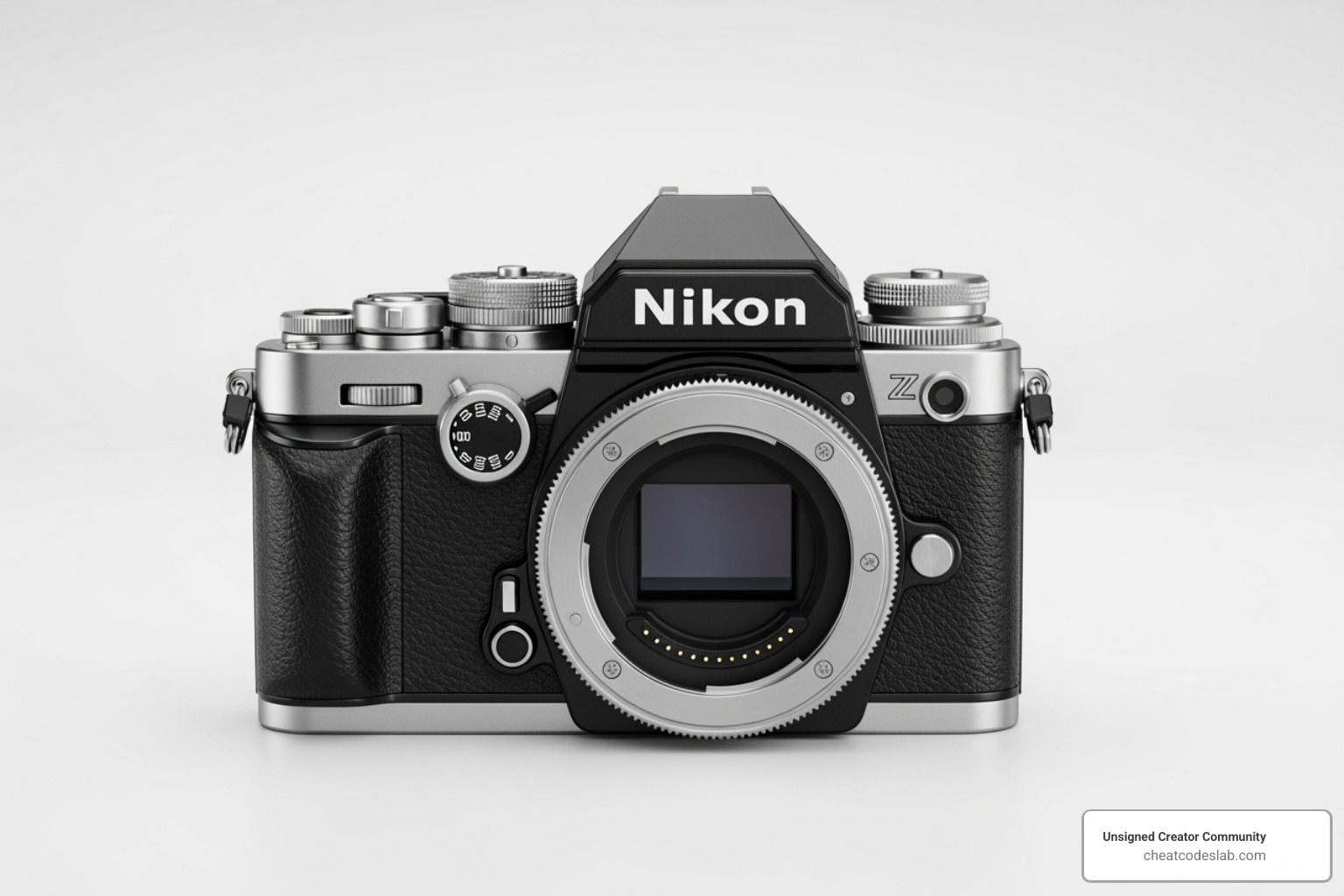
These cameras prove you don’t need the most expensive gear to capture compelling event photos. For more guidance, check out our guide on the best camera for beginners.
Hybrid Shooters: Capturing Both Stills and Video
Many clients now expect both high-quality stills and video. Hybrid cameras are designed to excel at both.
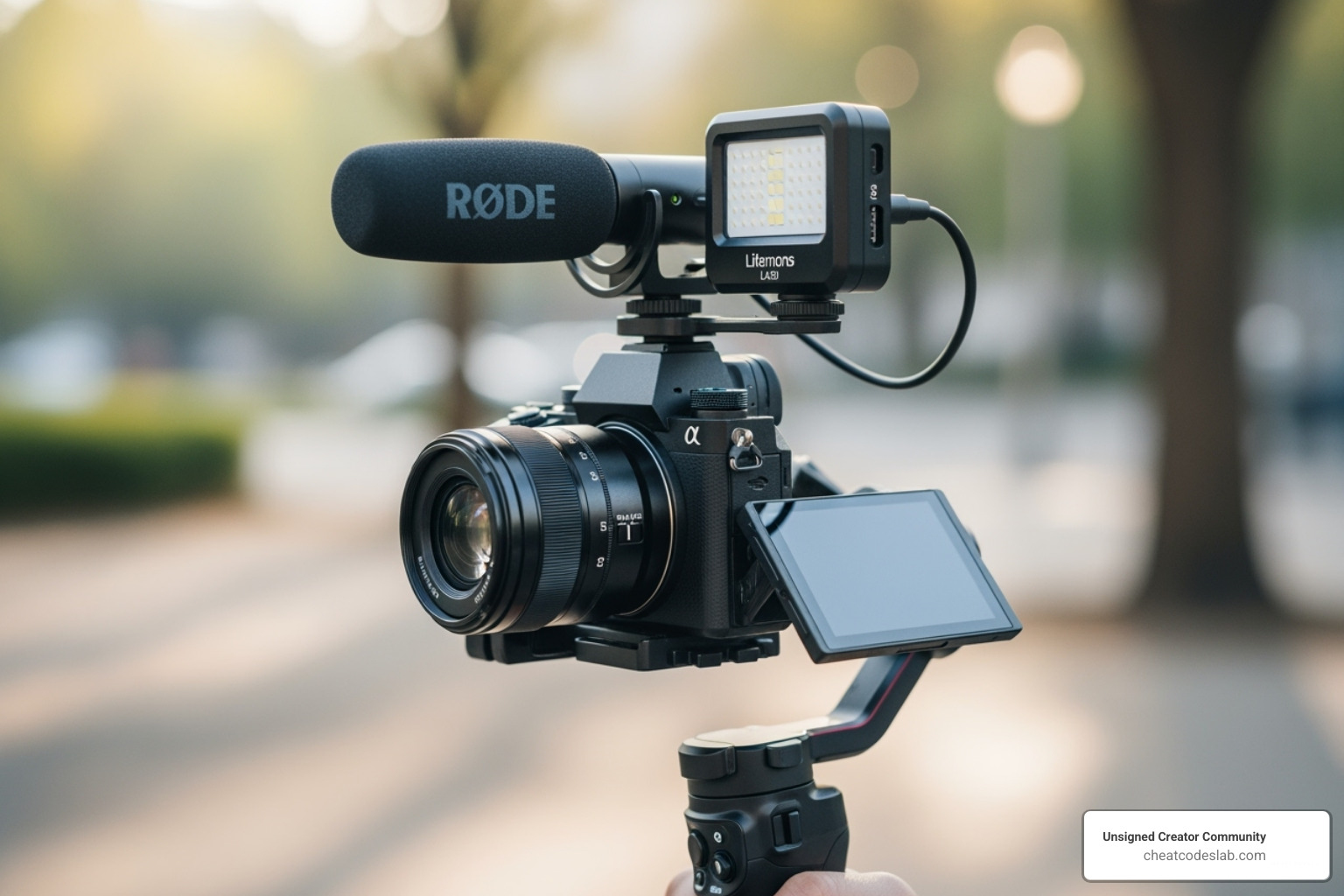
- Panasonic Lumix S5 II: A standout hybrid choice with superb ergonomics, strong stabilization, and a built-in fan to prevent overheating during long video recordings—a major advantage for event work.
- Sony A7 IV: A fantastic all-rounder that balances a 33MP sensor for great photos with professional 4K 60p video capabilities and a top-tier autofocus system that works seamlessly for both.
When choosing a hybrid camera, prioritize 4K/60p video, features that prevent overheating, dedicated audio inputs, and effective in-body stabilization. For a deeper dive, explore resources like A guide to the best cameras for videographers.
Making Your Final Decision
Choosing the best camera for events comes down to matching the gear to your specific needs. The camera that feels natural in your hands and gives you confidence is the right one for you.
Think about your primary event type. A wedding photographer needs great low-light performance, while a sports event shooter needs high burst speeds. Match the camera’s strengths to your work. However, don’t forget that the importance of lenses can’t be overstated. A mid-range camera with exceptional lenses will outperform a flagship body with mediocre glass.
- Prime Lenses (e.g., 35mm f/1.8, 50mm f/1.4): These are magical in low light, letting you shoot with lower ISOs and creating beautiful background blur (bokeh). They are often sharper and lighter than zooms.
- Zoom Lenses (e.g., 24-70mm f/2.8, 70-200mm f/2.8): These workhorses offer incredible versatility, allowing you to capture everything from wide group shots to tight portraits without switching lenses.
When making your choice, avoid these common mistakes:
- Trusting specs alone: A camera might look good on paper but handle poorly or overheat in the real world.
- Ignoring ergonomics: If a camera isn’t comfortable to hold for a few minutes, it will be miserable after eight hours.
- Underestimating battery needs: Always carry multiple spare batteries. A dead camera means missed moments.
At CheatCodesLab, we trust real-world tests over lab results, which is why we’ve personally tested 124 cameras in actual shooting conditions. Our experience shows each brand has its strengths: Sony for its autofocus, Canon for its user-friendly ergonomics and color science, Nikon for its tank-like build quality and dynamic range, and Panasonic (Lumix) for its powerful hybrid video features.
Your budget will guide your decision, but investing in quality lenses often provides a better return than buying the newest camera body. A capable mid-range camera like the Canon EOS R7 or Sony A6700 paired with great glass is a professional-level setup.
The best camera for events is the one that empowers you to focus on the story unfolding before you. It becomes an extension of your vision, letting you capture fleeting moments with confidence and creativity.
At CheatCodesLab, we’re committed to helping creators succeed. While you focus on capturing unforgettable moments, explore our certified AI tools and resources to streamline your content marketing and workflow, giving you more time behind the lens.


About the author

How to Archive Posts on Instagram in 4 Easy Steps
Master archiving on Instagram in 4 easy steps to organize your profile and protect your content.

Beginner’s Guide to 10k free instagram followers app
Discover how a 10k free instagram followers app works, its risks, and safe organic growth strategies for real engagement in 2026.
Beginner’s Guide to Best Instagram Report App
Discover the best Instagram report app for real-time analytics, automated reports, and data-driven decisions in 2026.
How to Master Advanced SEO Search Techniques in 7 Steps
Master advanced search techniques in SEO with 7 proven steps to boost rankings, technical audits, and organic traffic.
Cheat Sheet to the Best Business Apps
Discover the best business apps to streamline operations, boost productivity, and scale your business in 2026.

How to Get Instagram Followers Free APK in 5 Steps
Discover how instagram followers free apk 2026 download works and learn safe organic growth strategies instead of risky third-party tools.
Related

Say ‘I Do’ to the Right Gear: Unveiling the Best Wedding Cameras
Find the best camera for weddings! Discover top picks, key features, and pro tips to capture every unforgettable moment.